
Hypodontia is a condition where one or more permanent teeth do not develop. It is often noticed when a baby tooth falls out but the expected adult tooth does not appear. It can also cause gaps, smaller teeth and changes in tooth alignment.
The condition can affect the appearance of your smile and, depending on the teeth involved, may also affect chewing, speech and tooth alignment. A dental examination and X-ray can confirm whether a permanent tooth is missing or simply delayed in coming through.
Treatment depends on the number and location of missing teeth and may include orthodontic treatment, dentures, bridges or implants.
In this article, we cover the symptoms, causes and risk factors of hypodontia, the teeth most commonly affected, how it is diagnosed, possible complications, treatment options and when treatment may be needed.
What Is Hypodontia?
Hypodontia is a dental condition in which one or more permanent teeth do not develop. It usually affects up to six teeth, excluding wisdom teeth. The missing tooth is absent because it did not form during tooth development, rather than because it was lost or extracted.
It may be noticed when a baby tooth falls out but the expected permanent tooth does not come through. Some people also have smaller or cone-shaped teeth next to the missing teeth. Hypodontia can affect the appearance of the smile and, depending on which teeth are missing, may affect chewing, speech and tooth alignment.
Hypodontia is also known as tooth agenesis or congenitally missing teeth. When a larger number of teeth are missing, the condition may be classified as oligodontia.
Causes and Risk Factors of Hypodontia
Hypodontia develops when one or more permanent teeth fail to form during early tooth development. Genetics is considered the main factor, although hypodontia can also be linked to certain medical conditions and environmental influences.
Common causes and risk factors include:
- Family history: Having a close family member with hypodontia can increase the likelihood of developing it.
- Genetic changes: Changes in genes involved in tooth development, including PAX9, MSX1 and AXIN2, have been linked to missing teeth.
- Inherited conditions: Hypodontia can occur with conditions such as ectodermal dysplasia, Down syndrome and cleft lip or palate.
- Certain prenatal or developmental factors: Research has linked some infections during pregnancy, low birth weight and certain childhood medical treatments with a higher risk of tooth development problems.
- Previous radiation or chemotherapy: Treatment involving the developing jaws during childhood may affect permanent tooth formation.
In many people, there is no single identifiable cause. Hypodontia can result from a combination of genetic and environmental factors, and the exact cause may not be known in an individual case.
The Symptoms of Hypodontia
Hypodontia does not always cause obvious symptoms. It is often noticed when permanent teeth do not appear as expected after baby teeth are lost. Common signs include:
- Missing permanent teeth: A baby tooth may fall out, but the adult tooth does not erupt.
- Gaps between teeth: Missing teeth can leave visible spaces in the smile.
- Small or peg-shaped teeth: Teeth next to the missing tooth may be smaller or unusually shaped.
- Retained baby teeth: A primary tooth may remain in place because there is no permanent tooth underneath it.
- Delayed tooth eruption: Some permanent teeth may take longer than expected to develop or erupt.
- Crowding or tooth movement: The absence of a tooth can affect the position and alignment of nearby teeth.
- Changes in chewing or speech: These may occur when several teeth are missing, particularly when front teeth are affected.
A dental examination and X-ray can help determine whether a permanent tooth is missing or simply has not erupted yet.
Which Teeth Are Most Commonly Missing in Hypodontia?
Hypodontia can affect any permanent tooth, but some teeth are missing more often than others. Excluding wisdom teeth, the lower second premolars are commonly affected, followed by the upper lateral incisors and upper second premolars. The exact pattern can vary between populations.
- Lower second premolars: Located behind the lower canine teeth, these are among the most frequently missing teeth.
- Upper lateral incisors: These are the teeth beside the two upper front teeth. Their absence can create noticeable gaps in the smile.
- Upper second premolars: These teeth sit behind the first premolars and are also commonly affected.
- Other teeth: Canines and first molars are less commonly missing and are more often involved when several teeth are absent.
Most people with hypodontia have only one or two missing permanent teeth. A dental examination and X-ray can identify which teeth have failed to develop and help determine the most suitable treatment.
Types and Severity of Hypodontia
Hypodontia is classified mainly by the number of permanent teeth that fail to develop, excluding wisdom teeth. The condition can range from a single missing tooth to the absence of many teeth.
- Mild hypodontia: One or a few permanent teeth are missing. Most people with hypodontia fall into this category.
- Moderate hypodontia: Several permanent teeth are missing, which may create more noticeable gaps or affect the bite and tooth alignment.
- Severe hypodontia (oligodontia): Six or more permanent teeth are missing, excluding wisdom teeth. This is much less common and may have a greater effect on chewing, appearance and dental development.
- Anodontia: All teeth fail to develop. This is extremely rare and is considered the most severe form of tooth agenesis.
Hypodontia can also be isolated (non-syndromic) or occur as part of an inherited condition or syndrome. The number and position of missing teeth help determine the severity and guide treatment planning.
How Is Hypodontia Diagnosed?
A dentist usually diagnoses hypodontia through a dental examination and X-rays. The goal is to confirm that a permanent tooth has not developed, rather than simply being delayed or unable to erupt.
Diagnosis may include:
- Dental examination: The dentist checks for missing or unerupted teeth, unusual gaps, retained baby teeth and changes in tooth development.
- Dental X-rays: A panoramic X-ray can show whether permanent tooth buds are present beneath the gums and help identify teeth that have failed to develop.
- Age and tooth development: The dentist considers the child's age because some permanent teeth, particularly second premolars, can develop later than expected. Taking an X-ray too early can make a developing tooth appear to be missing.
- Medical and family history: The dentist may ask about family members with missing teeth and any medical conditions that could be associated with tooth development.
- Further imaging when needed: Additional dental X-rays or 3D imaging may be recommended in more complex cases or when the position of an unerupted tooth needs to be assessed.
An accurate diagnosis is important because treatment planning depends on which teeth are missing, how many are affected and whether the surrounding teeth and jaw are developing normally.
What Are the Effects and Complications of Hypodontia?
The effects of hypodontia depend on how many teeth are missing and where they are located. Some people have few noticeable problems, while multiple missing teeth can affect the way the teeth develop and function.
Common effects and complications include:
- Gaps between teeth: Missing teeth can leave visible spaces and affect the appearance of the smile.
- Tooth misalignment: Nearby teeth may tilt, rotate or move into the space left by a missing tooth.
- Retained baby teeth: A primary tooth may remain because there is no permanent tooth to replace it.
- Changes in the bite: Missing teeth can contribute to a deeper bite, altered tooth contacts or other bite problems.
- Difficulty chewing: Multiple missing teeth, particularly back teeth, can reduce chewing efficiency.
- Speech changes: Missing front teeth can sometimes affect pronunciation.
- Reduced bone development: The area where a permanent tooth never formed may have less development of the supporting jaw bone.
- Gum problems: Changes in tooth position and spacing can make cleaning more difficult and may contribute to periodontal problems.
- Appearance and confidence: Noticeable gaps or missing front teeth can affect how a person feels about their smile and may influence social interactions.
The risk of functional and dental problems generally becomes greater when more permanent teeth are missing. Early assessment allows the dentist or orthodontist to monitor tooth development and plan treatment before problems become more difficult to manage.
Treatment for Hypodontia
Treatment for hypodontia depends on the number and position of missing teeth, the patient’s age, tooth alignment, bite and overall oral health. Some people may not need replacement if the remaining teeth function well, while others may need orthodontic treatment, tooth replacement or a combination of treatments. Complex cases are often managed by more than one dental specialist.

When Should Hypodontia Treatment Begin?
There is no fixed age for starting hypodontia treatment. Children are usually assessed early so the dentist or orthodontist can monitor tooth development and plan treatment around natural growth.
Treatment may be carried out in stages:
- During childhood: The dentist may monitor missing teeth and retained baby teeth.
- During the teenage years: Braces or clear aligners may be used to close gaps or create space for replacement teeth.
- During growth: A removable partial denture may be used when a permanent replacement is not yet suitable.
- After jaw growth: Dental implants may be considered once growth is complete. Placing an implant too early can cause it to sit differently from the surrounding natural teeth as the jaw develops.
Children with hypodontia can also have delayed dental development, so treatment timing should be based on individual tooth development rather than age alone.
Braces & Invisalign
Braces or clear aligners can move teeth into a better position and manage the spaces caused by missing teeth. Depending on the case, orthodontic treatment may:
- Close the gap by moving nearby teeth into the space.
- Create enough space for a replacement tooth.
- Correct crowding or bite problems.
- Position the teeth properly before a bridge or implant is placed.
The decision to close a space or keep it open depends on the missing tooth, facial appearance, bite and long-term treatment plan.

Removable Partial Dentures
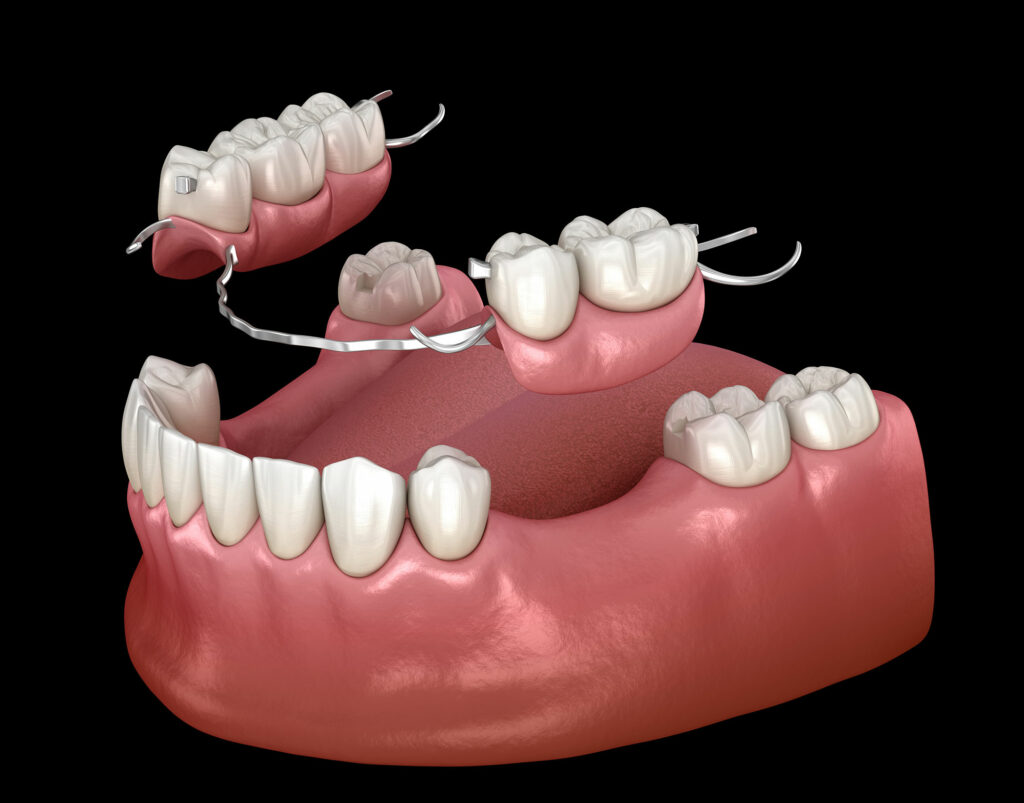
A removable partial denture replaces one or more missing teeth and can be taken out for cleaning. It may be useful for children and teenagers who are still growing and are not ready for permanent tooth replacement.
A denture can restore the appearance of missing teeth and provide a temporary way to improve function while other treatment is being planned. Growing patients may need adjustments or a new denture as their teeth and jaws change.
Dental Bridges
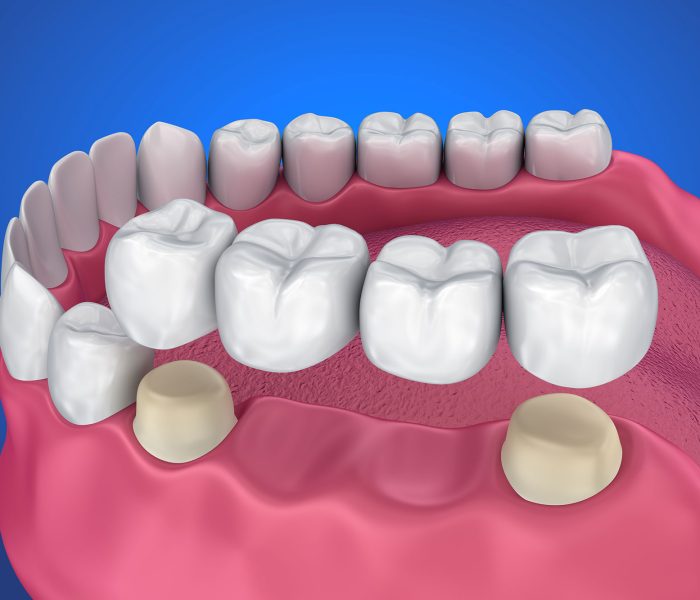
A dental bridge replaces a missing tooth with an artificial tooth supported by neighbouring teeth. It provides a fixed replacement and may be suitable when there is enough space and the supporting teeth are healthy.
In selected hypodontia cases, resin-bonded bridges can be used because they require less alteration of the neighbouring teeth than some conventional bridge designs. The dentist will assess the bite, available space and condition of the supporting teeth before recommending a bridge.
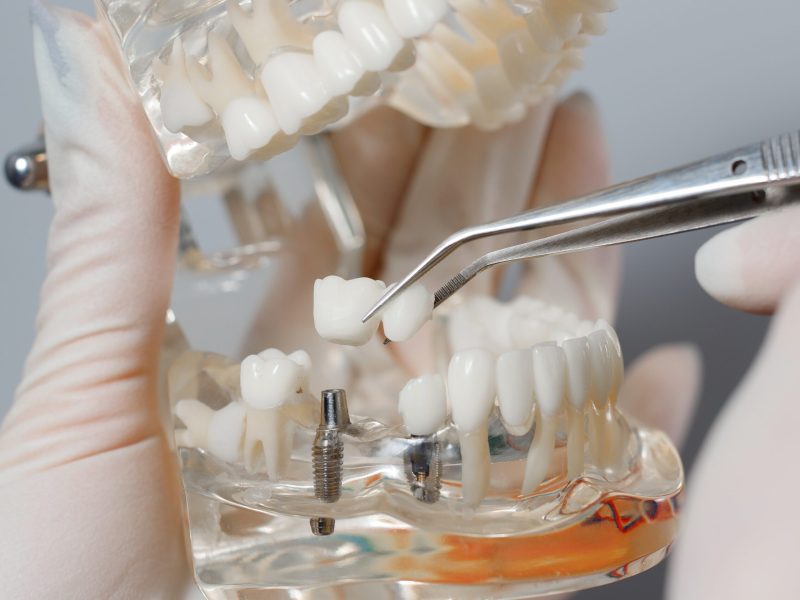
Dental Implants
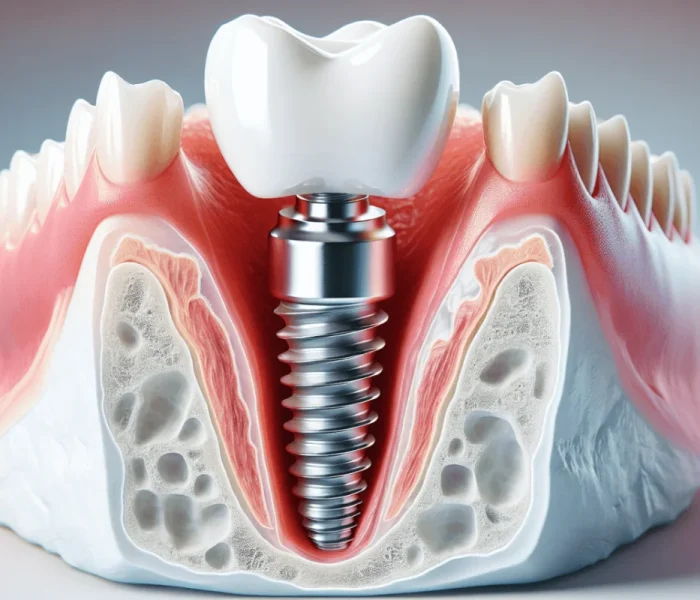
A dental implant is placed into the jawbone to support a replacement tooth. It can replace a missing tooth without using the neighbouring natural teeth for support.
Implant treatment may be more complicated in hypodontia because the area of the missing tooth can have reduced bone volume or insufficient space. Orthodontic treatment may therefore be needed before implant placement to prepare the site.
Dental implants are generally delayed until jaw growth is complete. Until then, a patient may use orthodontic treatment, a removable denture or another temporary option.
Can Hypodontia Be Treated in Children?
Yes. Hypodontia can be managed in children, but treatment is usually planned around the child’s tooth development and jaw growth. Early assessment helps the dental team decide whether to preserve baby teeth, guide the position of permanent teeth or plan for replacement of missing teeth later.
Treatment for a child may include:
- Monitoring: Some children may only need regular dental and X-ray checks while their teeth develop.
- Keeping baby teeth: A healthy baby tooth may sometimes be kept when there is no permanent tooth underneath it. This can help maintain space and bone until a later treatment is possible.
- Braces or clear aligners: Orthodontic treatment can close gaps or create the correct space for a future replacement tooth.
- Removable partial dentures: These can replace missing teeth while the child is still growing and may later be replaced or adjusted as the mouth develops.
- Treatment for small or misshapen teeth: Tooth-coloured restorative material can sometimes improve the shape and appearance of small or pointed teeth.
Dental implants are generally not placed while the jaw is still growing. A child may therefore use a temporary option until growth is complete and an implant or other permanent replacement can be considered.
Because hypodontia treatment can involve orthodontics, paediatric dentistry and restorative dentistry, children with several missing teeth may benefit from a multidisciplinary treatment plan.
What Happens If Hypodontia Is Left Untreated?
Hypodontia does not always require treatment. If a missing tooth causes little or no functional or dental problems, a dentist may recommend monitoring it. However, leaving several missing teeth without appropriate assessment can affect the way the remaining teeth develop and function.
Possible effects include:
- Teeth shifting into the gaps: Nearby teeth may tilt or move into the space left by a missing tooth.
- Bite changes: Missing teeth can contribute to changes in how the upper and lower teeth meet.
- Chewing difficulties: Multiple missing teeth, particularly back teeth, can reduce chewing efficiency.
- Overeruption of opposing teeth: A tooth without a matching tooth in the opposite arch may continue to move into the available space.
- Reduced bone development: The jawbone in an area where a permanent tooth never developed may have less alveolar bone growth.
- Speech changes: Missing front teeth can affect certain sounds and pronunciation.
- Increasing treatment complexity: Tooth movement, changes in spacing and reduced bone volume can make later orthodontic or restorative treatment more difficult.
- Appearance concerns: Visible gaps or changes in tooth position may affect the appearance of the smile and, for some people, their confidence.
Not every person with hypodontia needs immediate treatment. The appropriate approach depends on the number and location of missing teeth, the condition of the remaining teeth, age and jaw development. Regular dental assessments can help determine whether monitoring or treatment is appropriate.
Can Hypodontia Affect Your Smile, Speech or Chewing?
Yes. The effect depends mainly on which teeth are missing and how many are affected. People with only one missing tooth may have few functional problems, while several missing teeth can have a greater effect on appearance and oral function.
- Smile: Missing front teeth can create visible gaps and change the appearance of the smile. The impact can be greater when several teeth are missing.
- Speech: Missing teeth, particularly front teeth, can affect the way some sounds are produced and may result in less clear pronunciation.
- Chewing: Missing back teeth can reduce the available chewing surface. Some people with hypodontia report more difficulty chewing, particularly after the related baby teeth have been lost.
- Bite and tooth position: Missing teeth can allow neighbouring teeth to tilt or move, while opposing teeth may over-erupt. These changes can affect how the upper and lower teeth meet.
Not everyone with hypodontia will experience all of these effects. A dental examination can determine whether the missing teeth are affecting appearance, speech, chewing or the development of the bite.
Parting Words
Hypodontia can affect the appearance, alignment and function of your teeth, but it does not always require immediate replacement. The right approach depends on the number and position of missing teeth, your age, jaw development and overall oral health. Treatment may involve monitoring, orthodontics, dentures, bridges or implants.
Early assessment can help identify missing permanent teeth and give you more time to plan treatment. If you or your child has a missing tooth that has not developed or a baby tooth that has remained longer than expected, speak with a dentist or orthodontist about the next steps.
Ready to discuss your options? Book an appointment with our dental team to have your teeth assessed and find the right treatment plan for you.