Dental Crowns in London, Ontario

Cracked a tooth on something you didn’t expect? Got an old filling that keeps breaking down, or a tooth that’s been through a root canal and now feels fragile? A dental crown is usually how we put that tooth back to full strength so you can chew on it again without thinking about it.
At Olive Tree Dental in downtown London, we fit crowns two ways: the traditional lab-made crown over two visits, and the same-day CEREC crown, which we design and mill right here so you walk out with the finished tooth the same day. No second appointment, no two weeks in a temporary.
We’ve been the Top Choice Dental Clinic in London five years running (2022 to 2026), and our patients have left us 4.9 stars across 460+ Google reviews. If you’ve been putting this off, let’s get the tooth sorted before a small crack turns into a bigger problem.

What a Dental Crown Actually Does?

A crown is a custom cap that fits over the whole visible part of a tooth. Think of it as a snug helmet for a tooth that’s too damaged or worn to hold up on its own with just a filling.
You might need one if:
If the tooth can be saved with something smaller, we’ll tell you. A crown is the right call when the tooth needs full coverage, not before.

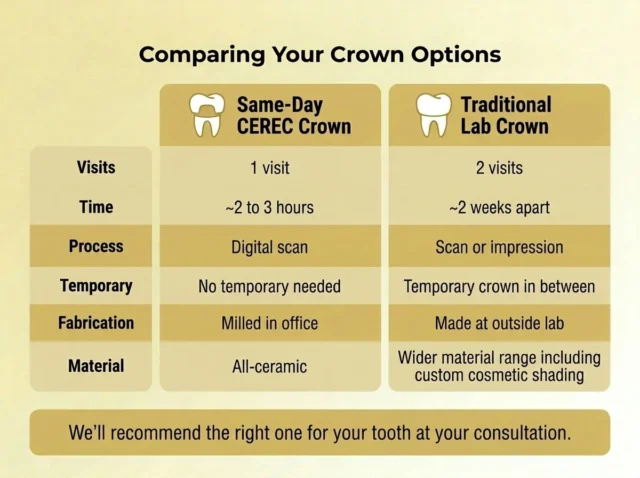
Same-Day Cerec Crowns Vs Traditional Crowns

Here’s the honest version of the trade-off, because both have their place.

Different Types of Dental Crowns

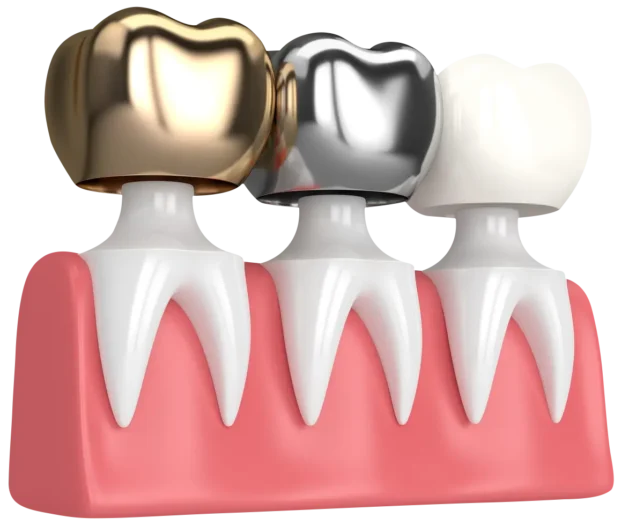
Different teeth call for different materials. Here’s how we think about it.
We’ll walk you through which material suits the tooth, your bite, and your budget before anything starts.
Types of Crown

What to Expect at Your Appointment?

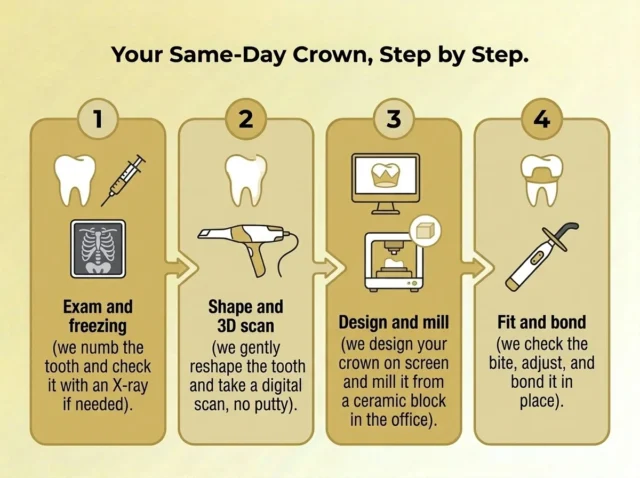
For a same-day CEREC crown, the visit usually runs in four steps:
A traditional lab crown follows the same first two steps, then you go home in a temporary and return in about two weeks to have the permanent crown bonded.
Porcelain & All-ceramic Crowns.

Our go-to for teeth that show when you smile. They match the colour and translucency of natural enamel closely and resist staining. With good care they commonly last 10 to 15 years or more.

Zirconia Crowns

Very strong and tooth-coloured, which is why they've become so common in Ontario. A good middle ground when you want strength and a natural look, and they don't show the grey line at the gum that older metal-backed crowns sometimes develop over time.

Gold & Metal Alloy Crowns

Not pretty, but tough. On a back molar that takes heavy chewing force and nobody sees, a gold or metal crown can last a very long time and is gentle on the opposing teeth. Worth considering more often than people think.

Porcelain or Ceramic Crowns

Porcelain or ceramic crowns are popular due to their durability, natural look, and stain resistance. With proper care, they can last over 10 years. These crowns are especially ideal for front teeth, as they closely mimic the appearance and texture of natural enamel.
Does It Hurt? Is It Safe?

Most people feel pressure rather than pain. We freeze the tooth first, so the prep itself shouldn’t hurt. You may feel some sensitivity for a few days after, especially to cold, and that usually settles on its own.
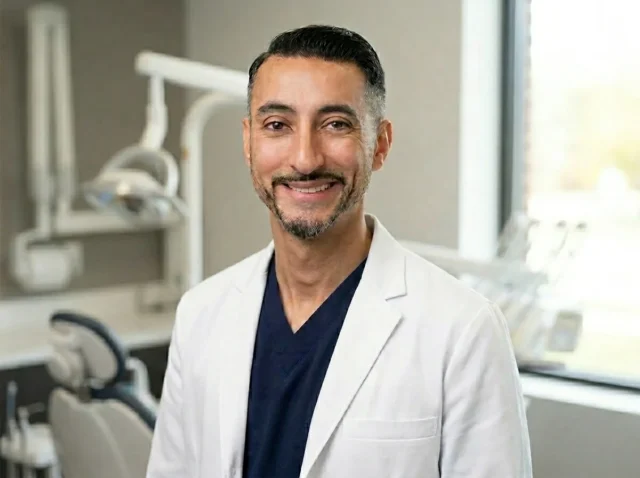
Patients tell us a lot about how appointments feel, and a theme that comes up in our reviews is being kept in the loop. As one put it, in terms of pain it was negligible, and when there was any, Dr. Loubani would always give a heads up first. That’s how we like to work: tell you what’s happening before it happens, and check in as we go.
If you’re anxious about dental work, say so when you book. We’ll take it slower and talk you through each step.

How Much Do Dental Crowns Cost in London, Ontario?

Fair question, and one most clinic pages dodge. Here’s a straight answer.
In London, Ontario, a single dental crown usually runs somewhere between about $1,000 and $2,000. Where your crown lands in that range depends mostly on the material and whether the tooth needs other work first, like a buildup or a root canal.
As a rough guide for 2026:
A few things worth knowing:
We’ll give you the real number for your tooth at the consultation, before any treatment starts. No surprises on the way out.

How Long Do Crowns Last, and How Do I Look After One?

With good care, a crown commonly lasts 10 to 15 years, and often longer. Material and habits matter: grinding, chewing ice, or skipping cleanings will shorten any crown’s life.
Looking after a crown is mostly looking after your teeth normally:

Why Patients Choose Olive Tree Dental?

We’re a downtown London practice at the corner of Oxford and Richmond, and a lot of our patients have been with us for years. A few reasons people stick with us for crown work:

Dental Crowns Before and After:

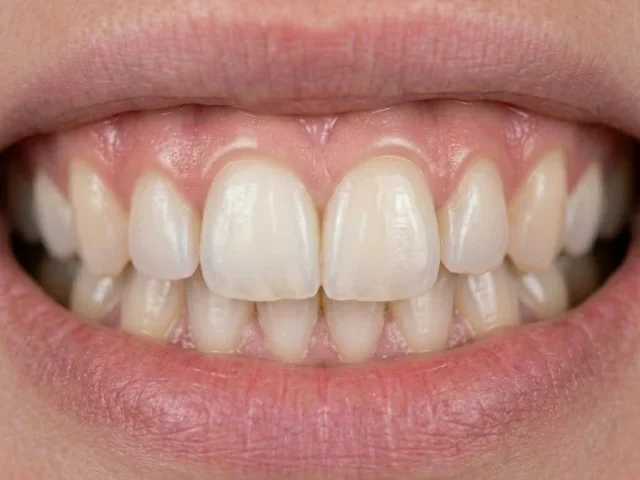
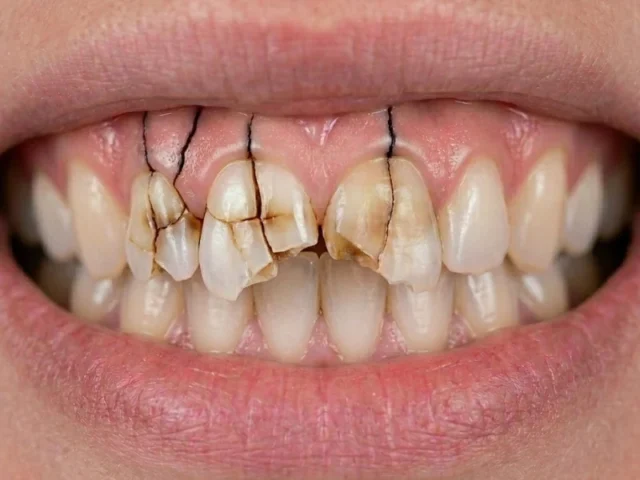
One of our patients wasn’t happy with the shape and colour of his two front teeth. Over two visits, we placed a pair of porcelain crowns to even out his smile and give the teeth a more natural shape. You can see more cases in our before and after gallery.

Frequently Asked Questions

Yes, especially all-ceramic and porcelain crowns, which are matched to the shape and colour of the teeth around them. A new crown can feel slightly different for the first few days while you get used to it, and that settles quickly for most people. For a front tooth, we take extra care with the shade so it blends in.
A single crown usually runs about $1,000 to $2,000, depending on the material and whether the tooth needs other work first. Most insurance plans cover a share as a major restorative service, and we can check your coverage and submit a predetermination before you decide. We’ll give you the exact figure at your consultation.
Often, yes. With same-day CEREC, we scan, design, and mill your crown in the office and bond it the same visit, so there’s no temporary and no second appointment. Some teeth or cases are still better suited to a traditional lab crown, and we’ll tell you which applies to your tooth.
Most people feel pressure rather than pain. We freeze the tooth first, so the prep itself shouldn’t hurt, and some mild sensitivity afterward usually fades within a few days. If you’re nervous, tell us when you book and we’ll take it slowly.
Not always. It depends on the tooth. Back teeth like molars and premolars do most of the chewing, so they usually need a crown to keep them from cracking. Front teeth take less force and sometimes don’t. We’ll look at the specific tooth and tell you what it needs.
With good care, a crown commonly lasts 10 to 15 years, and often longer. Brushing, gentle flossing around the crown, and a nightguard if you grind your teeth all help it last. Regular checkups let us catch any wear early.