

Seeing black spots, lines, or a darkened tooth can be worrying, especially when it happens to a kid. A dark mark does not always mean a cavity, but it should not be ignored either.
Kids can develop black staining on the surface of their teeth, while a single tooth can also become darker after an injury, tooth decay or changes inside the tooth. The appearance, location and condition of the tooth can help a dentist determine what is causing the discolouration.
At Olive Tree Dental in London, Ontario, we examine kids’ teeth to identify the cause of dark spots or discolouration and recommend treatment only when it is needed.
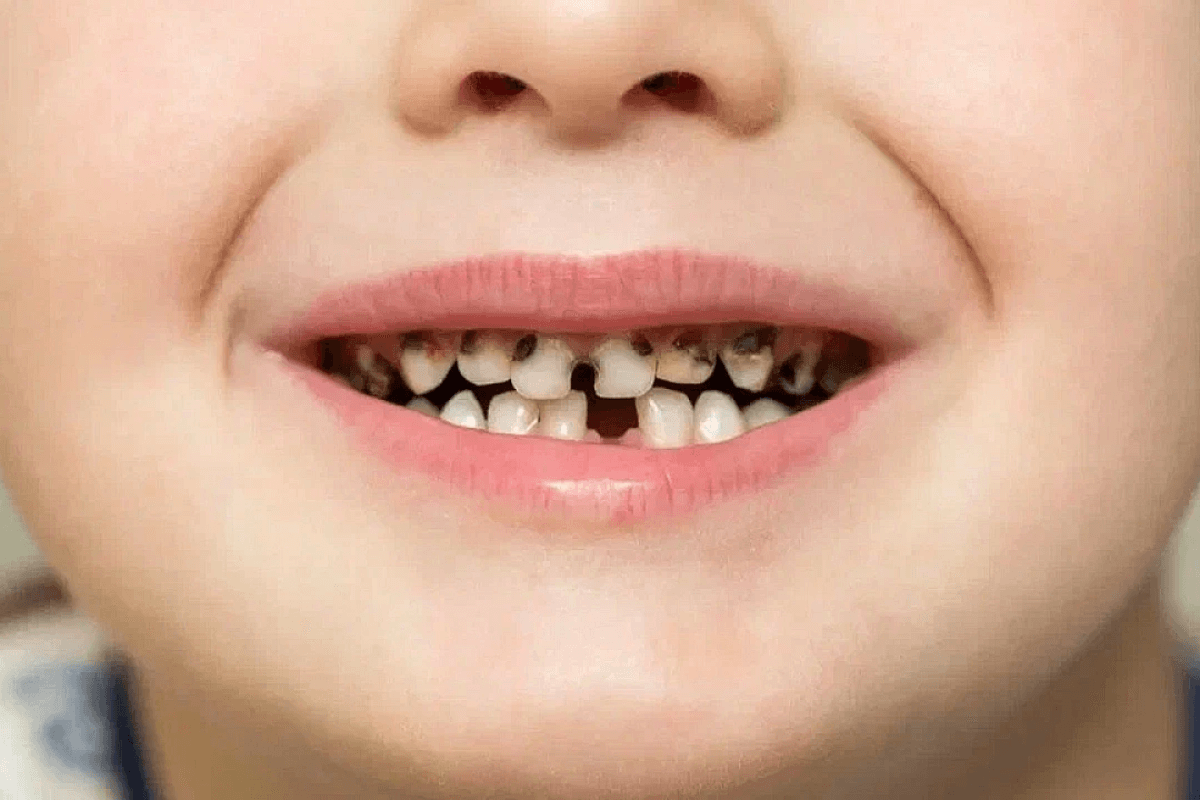
What Are Black Teeth?
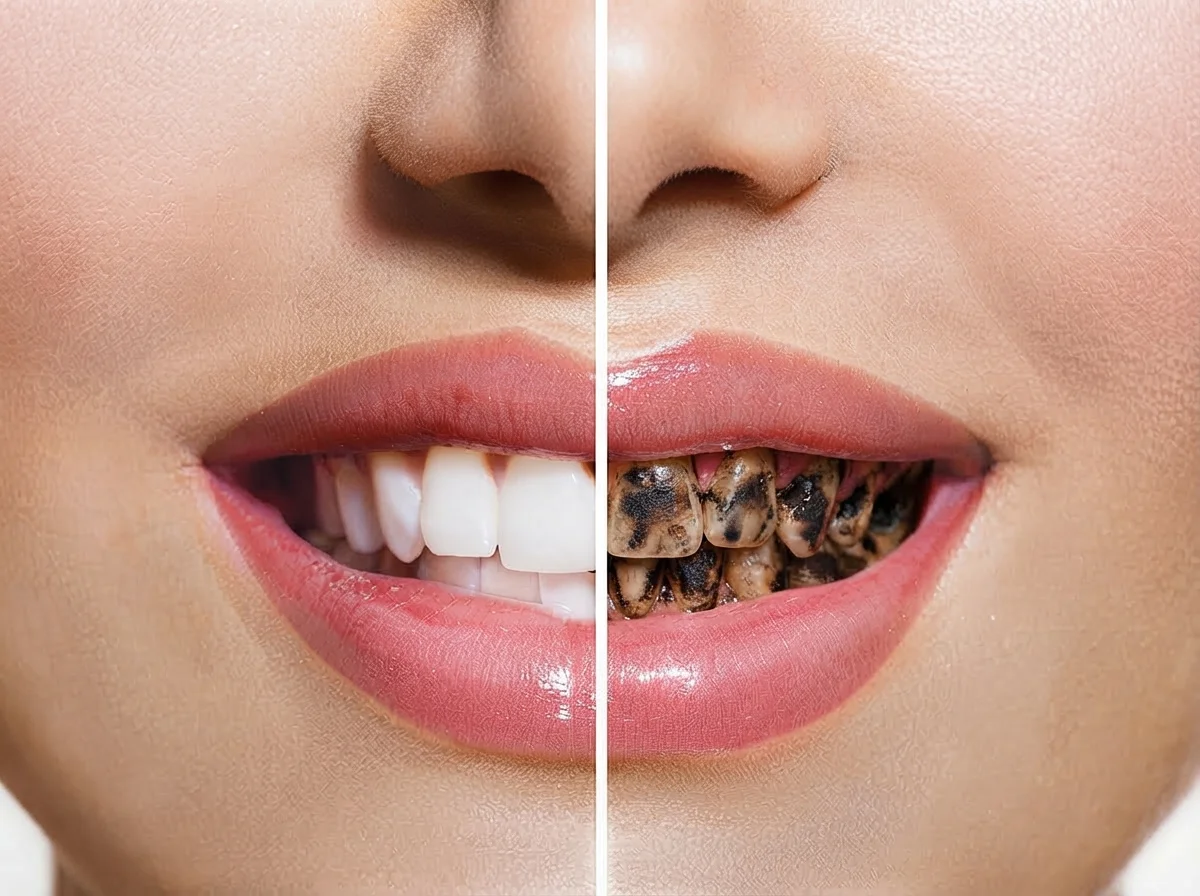
Black teeth is a general term used to describe teeth that have developed dark brown, grey or black areas. The discolouration may be on the outside of the tooth or may result from a change inside the tooth.
In kids, one common type is called chromogenic black stain. This is an external stain that can appear as small black dots or a dark, uneven line close to the gumline. It can affect both baby teeth and permanent teeth.
Black stain is different from a tooth that has become dark throughout. A surface stain may sit on otherwise healthy enamel, while a tooth that becomes grey, brown or black after an injury may have experienced changes inside the tooth.
This is why the colour alone cannot tell you what is wrong. A dentist may look at:
- Where the dark area is located
- Whether it is on the surface or within the tooth
- Whether the enamel is intact
- Whether there are signs of decay
- Whether the kids have pain or sensitivity
- Whether the tooth has previously been injured
- Whether the gums around the tooth are swollen or irritated
A dental examination is the safest way to determine the cause.
Why Do Kids Get Black Stains on Their Teeth?
Black stains in kids are often different from the staining adults develop from coffee, tea or tobacco.
Chromogenic black stain is associated with particular bacteria in dental plaque and with iron-containing compounds that can form on the tooth surface. The exact reason some kids develop these stains while others do not is not completely understood.
The stains commonly appear as dark dots or a thin, irregular line that follows the gumline. They may be more noticeable around the lower front teeth.
Black staining can return after it has been professionally removed. This does not necessarily mean that your kids’ teeth are unhealthy or that brushing has been inadequate.
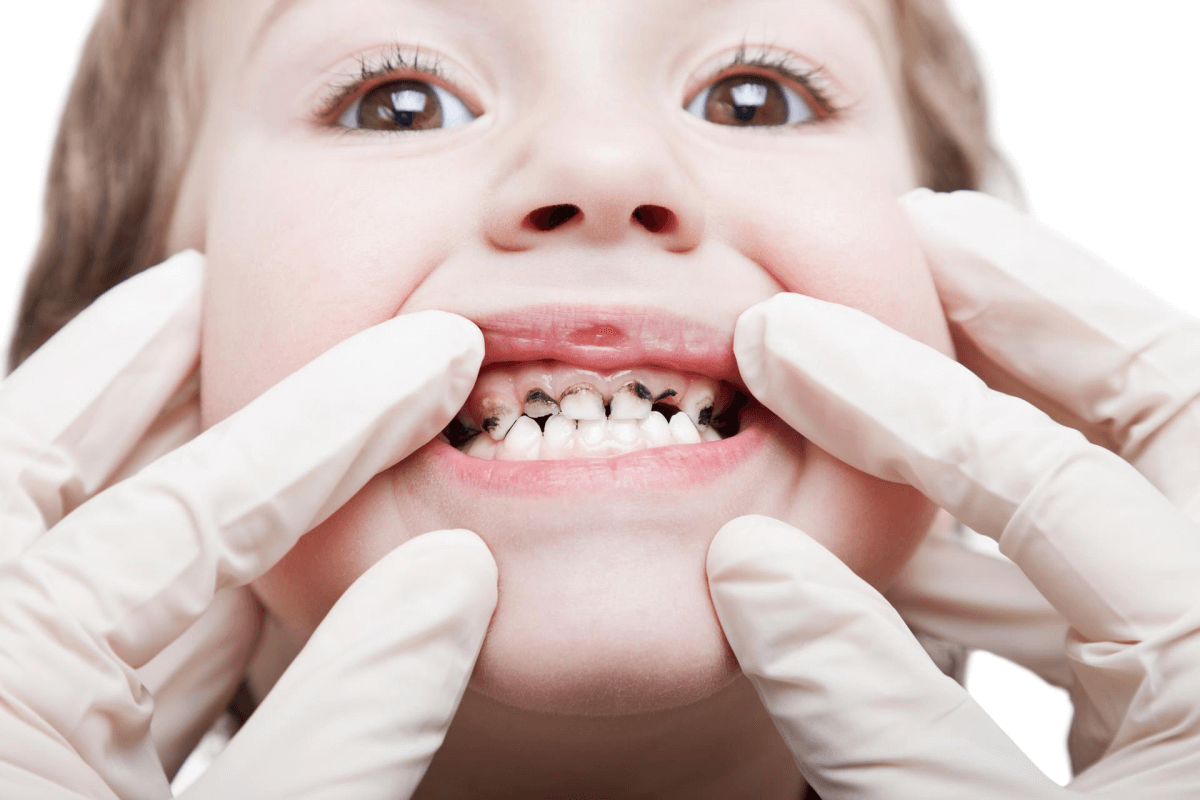
External Causes
External discolouration develops on the outside of the tooth. Several things can contribute to dark marks or black staining.
Chromogenic black stain
Chromogenic bacteria can contribute to a characteristic black stain that forms on the tooth surface. The stain may look like a series of tiny black dots or a line along the gumline.
This type of staining is generally considered an extrinsic discolouration rather than tooth decay. However, it can look similar to other dental problems, so a dentist should confirm the cause.
Iron supplements
Liquid iron supplements can sometimes cause dark staining on kids’ teeth. Iron may interact with compounds produced by bacteria in the mouth and contribute to surface discolouration.
If your kids take an iron supplement, do not stop the medication because of tooth staining. Speak with your kids’ healthcare provider or dentist about ways to manage the staining while continuing the prescribed treatment.
Food and drinks
Certain strongly coloured foods and drinks can contribute to surface staining. Dark-coloured foods, berries, sauces and some beverages may leave pigment on the teeth.
Food staining is generally different from the characteristic black line or dots associated with chromogenic black stain.
Plaque and tartar
Plaque that is not removed regularly can harden into tartar. Tartar can hold onto stains and may make teeth appear darker.
Once tartar has hardened, brushing at home cannot remove it effectively. A dental professional can determine whether professional cleaning is needed.
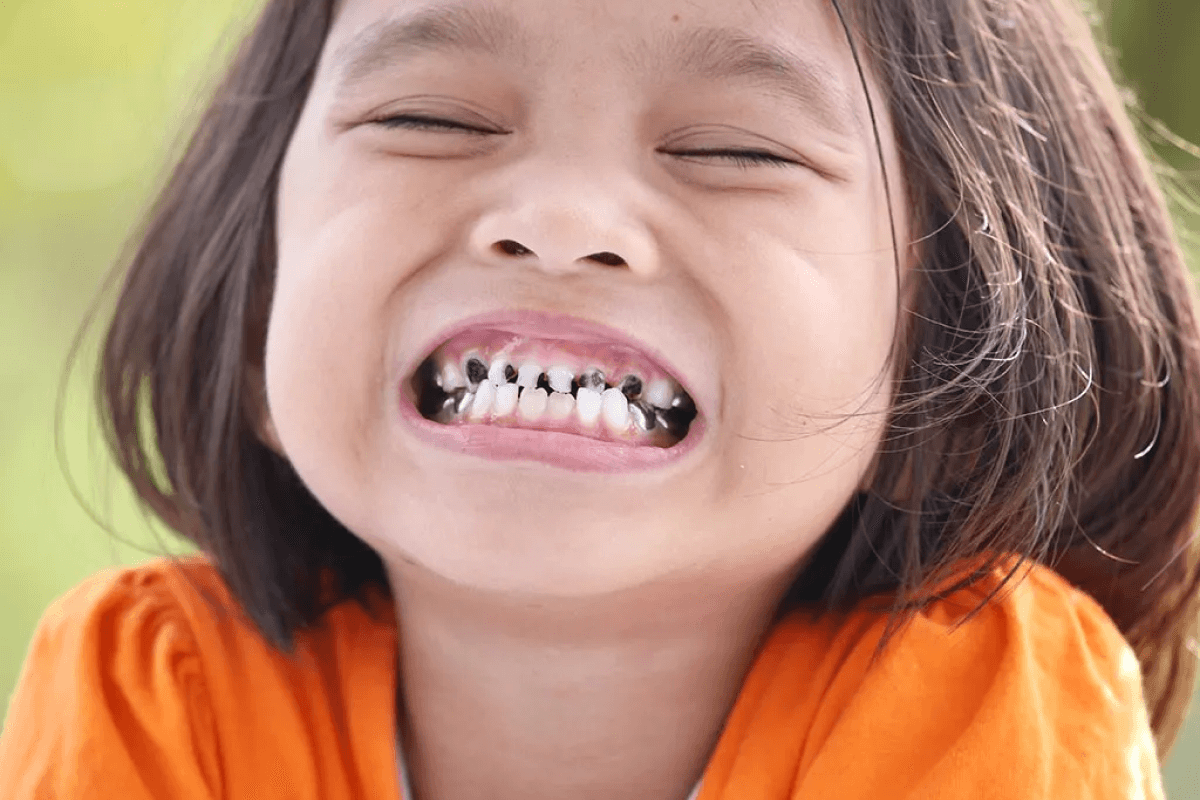
Internal Causes
Not every dark tooth is a surface stain.
A tooth can become darker because of changes occurring inside the tooth. This is particularly important when one tooth becomes grey, brown or black rather than several teeth developing small black marks.
Tooth decay
A cavity can become brown or black as it progresses. Kids can develop tooth decay in baby teeth and permanent teeth, particularly when plaque and frequent exposure to sugars are not adequately controlled.
A dark spot does not automatically mean a cavity, but a suspected cavity should be assessed by a dentist.
Dental trauma
A fall, sports injury or blow to the mouth can damage a tooth. Baby teeth are particularly susceptible to injury because children often fall while learning to walk, run and play.
After trauma, bleeding can occur inside the tooth. Over time, the tooth may become grey, brown or darker. A darkened tooth following an injury should be examined even when the kids do not have pain.
Changes to the dental pulp
The pulp contains the nerves and blood vessels inside the tooth. If an injury or severe decay damages the pulp, the tooth may change colour.
In some cases, the affected tooth can develop an infection. Signs such as pain, swelling, a pimple-like bump on the gum or an unpleasant taste or odour require prompt dental assessment.
Developmental conditions
Some conditions affecting tooth development can cause unusual tooth colour or changes in enamel and dentin. These conditions are less common but may need to be considered when several teeth have unusual colour or structure.
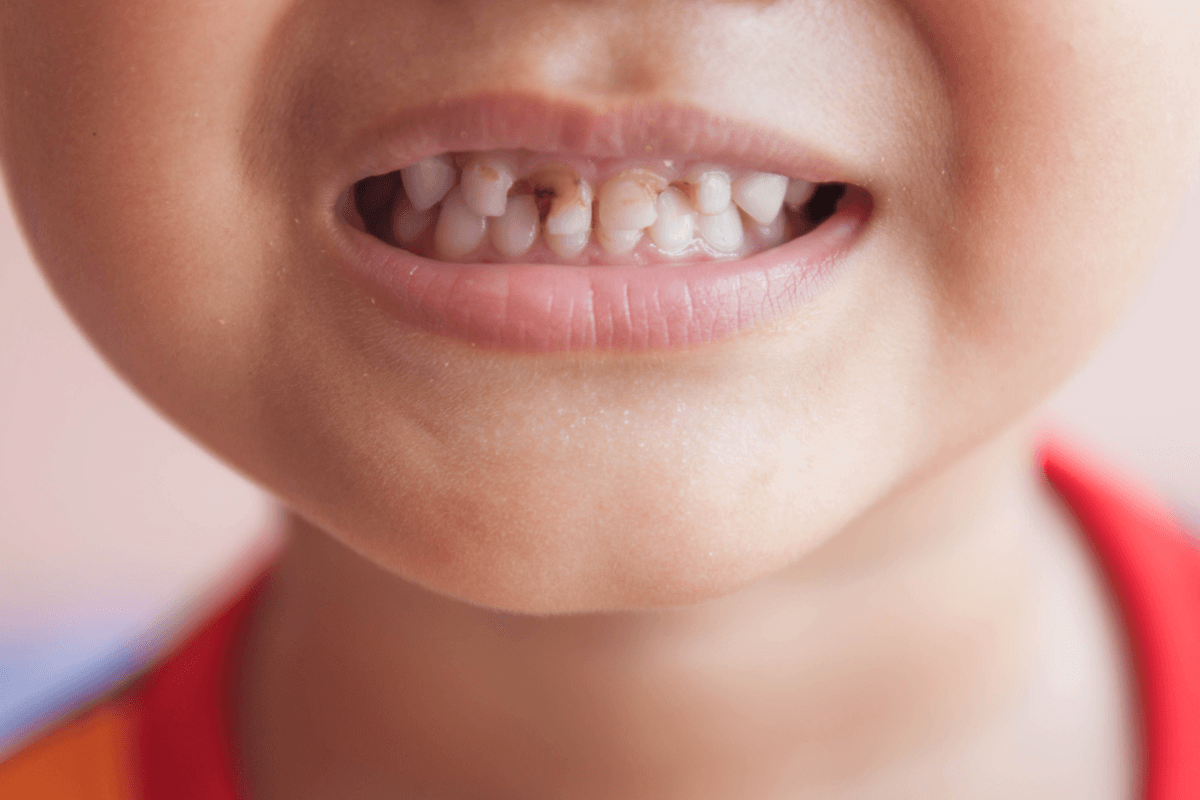
Symptoms
Black discolouration can look different depending on its cause. Parents may notice:
- Small black dots near the gumline
- A black or dark line following the gums
- Brown or black areas on the tooth surface
- One tooth becoming grey or darker
- A tooth becoming darker after a fall or injury
- A visible cavity or hole
- Tooth sensitivity
- Toothache
- Swollen or red gums
- A pimple-like bump on the gums
- Bad taste or odour around a tooth
Kids do not always experience pain when there is a dental problem. This is particularly important with baby teeth and teeth affected by trauma.
If a tooth suddenly becomes dark, it is better to have it checked rather than waiting for pain to develop.
How Can You Tell Black Stains From Tooth Decay?
Parents often worry that every black mark is a cavity. That is not necessarily the case.
Black chromogenic stain is usually located on the outer surface of the tooth and often follows the gumline in a dotted or irregular pattern. Tooth decay can appear as white, brown or dark areas and may involve a change in the tooth’s structure. As decay progresses, the enamel and dentin can become damaged.
A dentist can examine the tooth and determine whether the dark area is a surface stain, tartar, decay or another type of discolouration.
Do not try to scrape a black spot away with a sharp object. This can damage the enamel or gums and does not address an underlying dental problem.
Can Black Stains on Kids' Teeth Be Removed?
Yes, surface black stains can often be removed professionally.
The dentist or dental hygienist will first determine what type of discolouration is present. If it is an external stain or deposit, professional cleaning may remove much of the discolouration. Some children develop black staining again after cleaning. This is possible because the factors associated with chromogenic staining can remain present.
If the dark area is caused by tooth decay, cleaning alone will not solve the problem. The decay may require restorative treatment.
If the tooth became dark following trauma, the dentist may recommend monitoring, further assessment or treatment depending on the condition of the tooth.
Can You Remove Black Stains at Home?
Parents should avoid scraping or picking at black marks on kids’ teeth.
Regular brushing with fluoride toothpaste is important for maintaining healthy teeth, but hardened deposits and certain types of black stain may not disappear with ordinary brushing.
Avoid using abrasive products, harsh whitening products or homemade treatments on kids’ teeth unless recommended by a dental professional.
The safest approach is to have the dark area identified first. Once the cause is known, your dentist can tell you whether professional cleaning, improved home care or dental treatment is appropriate.
Stain Prevention
Good daily oral care can reduce plaque accumulation and help protect kids’ teeth from cavities and other oral-health problems.
Brush twice a day
Kids should brush their teeth twice a day using fluoride toothpaste appropriate for their age and dental needs.
Young kids may need an adult to brush their teeth or supervise brushing until they can clean all tooth surfaces effectively.
Clean between the teeth
Flossing or another appropriate interdental cleaning method helps remove plaque from areas a toothbrush cannot reach.
Limit frequent sugary foods and drinks
Frequent exposure to sugary foods and drinks increases the risk of tooth decay. Water is a good everyday drink for kids.
Rinse with water after meals
Having water after eating can help clear food particles and reduce the amount of residue left in the mouth.
Keep regular dental appointments
Regular dental examinations allow a dentist to identify early signs of tooth decay, staining, enamel problems and other concerns.
The Canadian Dental Association notes that dental examination frequency should be based on an individual’s oral-health needs rather than simply following a fixed schedule.
Does Brushing Remove Black Stains?
Sometimes, but not always.
Fresh surface plaque and some food staining can be reduced through effective brushing. However, chromogenic black stains can contain mineral deposits and may adhere firmly to the tooth surface.
Research indicates that conventional toothbrushing may not completely remove this type of staining, which is one reason professional cleaning may be necessary.
If black marks remain despite good brushing, this does not necessarily mean your kid is not brushing properly.
Treatment Of Black Teeth
Treatment depends entirely on the cause.
Professional dental cleaning
If the dark area is an external stain or hardened deposit, a dental professional may be able to remove it during a cleaning.
The dentist will choose an appropriate cleaning method based on the kids’ age, cooperation and oral-health needs.
Treatment for tooth decay
If the dark area is caused by a cavity, treatment may involve removing decay and restoring the tooth.
The appropriate treatment depends on how much tooth structure has been affected and whether the pulp is involved.
Monitoring a dark tooth after an injury
A tooth that becomes dark after trauma may not require immediate treatment if it remains healthy.
However, the tooth should be assessed and monitored because trauma can sometimes damage the pulp or lead to infection.
Treatment for an infected tooth
If a damaged baby tooth develops an infection, treatment may be necessary to control the infection and protect the kids’ oral health.
The treatment recommended will depend on the tooth, the kids’ age, the extent of the infection and the condition of the developing permanent tooth.
Restorative treatment
A severely damaged or decayed tooth may require a filling, crown or another restorative treatment.
Your dentist will recommend the least invasive treatment that can appropriately restore the tooth and protect it from further damage.
When Should You Take Your Kid to the Dentist for a Black Tooth?
Arrange a dental appointment if:
- A tooth suddenly turns grey, brown or black
- A black mark does not disappear with normal brushing
- Your kid has tooth pain or sensitivity
- The tooth has been injured
- The gums around the tooth are swollen or red
- There is a pimple-like bump on the gums
- Your kid has difficulty eating because of the tooth
- There is a visible hole or cavity
- There is a bad taste or smell around the tooth
- Several teeth are developing unusual discolouration
Seek prompt dental care when darkening is accompanied by swelling, significant pain, fever or other signs of infection.
Are Black Stains on Baby Teeth Dangerous?
Not every black stain means that a baby tooth is unhealthy.
Chromogenic black stain is an external form of tooth discolouration, and research has found an association between this type of stain and lower levels of dental caries in some kids.
However, this does not mean parents should assume that every black mark is harmless.
A dentist needs to distinguish black stain from tooth decay, trauma-related discolouration and other conditions. Baby teeth are also important because they help kids chew, speak and maintain space for permanent teeth.
Can a Dark Baby Tooth Return to Its Normal Colour?
Sometimes.
When a baby tooth becomes dark after an injury, the colour may improve over time. In other cases, the colour change remains.
The important issue is not simply whether the colour returns. The tooth should be monitored for signs of infection or other complications.
Contact your dentist if the darkened tooth develops pain, swelling, a gum bump, increased looseness or other changes.
What Is The Outlook For Black Teeth?
The outlook depends on why the tooth has become dark.
Surface black staining can often be professionally removed, although it may return. A cavity can usually be treated more effectively when it is detected early.
A tooth that becomes dark after trauma may remain healthy and simply require monitoring, but some injured teeth can develop complications.
For this reason, the goal is not simply to make the tooth look whiter. The first priority is identifying the cause and making sure the tooth is healthy.
Why a Dental Examination Matters
A photograph or description can give parents an idea of what may be happening, but it cannot confirm the cause of a black tooth.
During an examination, your dentist can assess the tooth’s surface, surrounding gums and overall condition. X-rays may also be recommended when the dentist needs to evaluate decay, trauma or changes that cannot be seen on the surface.
Early assessment can prevent a minor problem from becoming more complicated and can give parents a clear plan for managing the discolouration.
Black Teeth in Kids: What Parents Should Do
If you notice black spots or a dark tooth:
- Continue your kids' normal brushing routine with fluoride toothpaste.
- Do not scrape or pick at the mark.
- Think about whether the tooth was recently injured.
- Check for pain, swelling or changes around the gums.
- Arrange a dental examination if the discolouration persists or the cause is unclear.
- Follow the dentist's recommendations for cleaning, monitoring or treatment.
The appearance of black teeth can be alarming, but identifying the cause is the first step toward the right treatment.
Conclusion
Black marks on a kid’s teeth can come from surface staining, chromogenic black stain, tartar, tooth decay, iron supplements, food pigments or changes inside the tooth following trauma.
The appearance of the mark can provide clues, but colour alone cannot confirm the cause. If your kids have persistent black staining or a tooth has suddenly become dark, a dental examination can determine whether the tooth needs professional cleaning, monitoring or treatment.
At Olive Tree Dental in London, Ontario, our dental team can assess your kid’s teeth, explain what is causing the discolouration and recommend appropriate care.
Frequently Asked Questions
No. A black spot can be an external stain, chromogenic black stain, tartar or tooth decay. A dentist can determine the cause by examining the tooth.
Black lines or small dark dots that follow the gumline can be characteristic of chromogenic black stain. This is an external discolouration associated with certain bacteria and iron-containing compounds. It is not the same as a cavity, although a dentist should confirm the diagnosis.
Liquid iron supplements can contribute to dark staining on teeth. Do not stop a prescribed iron supplement without speaking with your kids’ healthcare provider. A dentist can help manage the resulting staining.
If the discolouration is on the tooth surface, a dentist or dental hygienist may be able to remove it with professional cleaning. The exact approach depends on the type of stain and the kids’ oral-health needs.
Do not scrape black deposits with sharp objects or use abrasive or whitening products without professional advice. Regular brushing with fluoride toothpaste is important, but some black stains are firmly attached and require professional cleaning.
A single darkened tooth can occur after dental trauma. An injury can affect the blood vessels and pulp inside the tooth, causing it to change colour. The tooth should be examined even if your kids have no pain.
No. Some darkened baby teeth can remain healthy and only require monitoring. However, a dark tooth can also develop an infection after trauma, so an examination is important.
Arrange a dental appointment if the tooth is persistently dark, has a visible cavity, or became dark after an injury. Seek prompt dental care if there is swelling, significant pain, a pimple-like bump on the gums, fever or other signs of infection.
They can. Chromogenic black stain may recur because the factors associated with its formation can remain present. Maintaining good oral hygiene and attending regular dental examinations can help manage the condition.
Chromogenic black stain is an external discolouration and is not the same as tooth decay. Some research has even found an association between black stain and lower caries levels. However, a dentist should still assess persistent dark marks because not every black area is chromogenic stain.
Teeth whitening is not the first approach for unexplained black marks in children. The cause should be identified first. If the problem is an external stain, professional cleaning may be more appropriate.
Yes. Olive Tree Dental in London, Ontario provides family dental care and can assess children’s teeth for staining, decay, trauma and other dental concerns. Contact the dental team to arrange an examination if you are concerned about a dark or black tooth.