
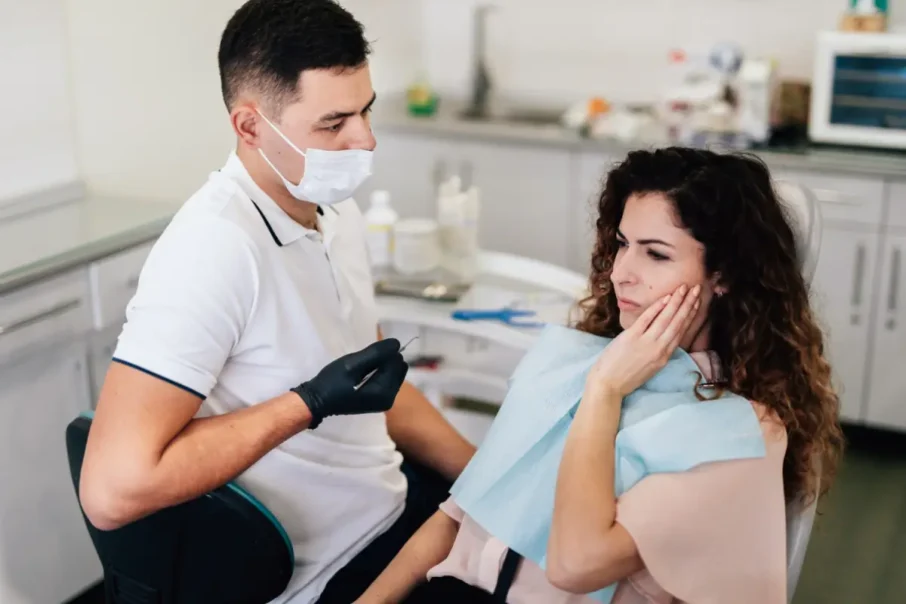
A chipped or damaged tooth can be a frequent dental problem that may occur abruptly and without prior warning. It could happen during eating, while exercising, or as a result of everyday wear and tear on teeth.
While some chips aren’t that significant and affect only their appearance, some could cause discomfort, sensitivity, or further damage if untreated.
This article will cover chips in your teeth, including their causes, available treatments, what to expect after treatment, and ways to protect your teeth going forward.
What Are Chipped Teeth?
A chipped tooth a part of the tooth’s surface splits off. It could be just the enamel or extend into the pulp or dentin in accordance with the extent of the chip. Teeth are durable, but they’re not unbreakable.
When a tooth breaks, it is not able to repair itself, and a professional dentist is required to repair its appearance and strength.
The effects of chipped teeth can be felt on both back and front teeth. Front teeth are more obvious when they are chipped, whereas back teeth are more difficult to spot, but they can cause discomfort or problems with chewing.

Common Causes of Chipped Teeth:
Chipped teeth can result from a variety of situations, with the most common cause being the biting of hard foods such as ice, nuts, or hard candy.
Injuries like falls and sports injuries or car accidents may also result in chipped teeth. Teeth that have already been damaged by dental fillings or have cavities are more susceptible to chipping since they have weaker structures.
Clenching or grinding the teeth, particularly in sleep, places excessive pressure on the teeth over time. Repeated stress can result in tiny cracks which eventually result in chips. The process of aging also plays a role in that enamel naturally becomes less durable and thinner with time.
Symptoms You May Notice
The signs of a chipped tooth can vary in proportion to how extensive the injury is. Some chips are not painful and are only apparent through appearance. Others may cause discomfort or sensitivity, particularly when drinking or eating.
It is possible to spot the following signs:
- A sharp or rough edge on the tooth
- Sensitivity of the tooth to cold, hot, or sweet food items
- Itching when chewing or biting
- Inflammation or swelling of the gum tissue
- An obvious crack or a missing part of the tooth
All of these signs should be assessed by a dentist to stop further harm.
The dental bridge is like your teeth because it’s glued to your own and won’t move. It is possible to chew almost all foods quickly, but things that are extremely sticky or hard may require caution.
Why Prompt Treatment Is Important?
A small scratch can become worse over time if it is not treated. Bacteria can get into gaps in enamel, which can increase the chance of tooth decay or infection.
A tooth that has been chipped may produce sharp edges that can cause irritation to the cheeks or tongue. In more serious cases, the damage could cause pain to the inner layer that surrounds the teeth, which can lead to pain and possibly nerve involvement.
The early treatment can help maintain the tooth’s structure, restore comfort and reduce the risk of complications that could require more extensive treatments later.
Treatment Options for Chipped Teeth
The best treatment for a tooth chipping depends on the extent of the chip, its position and whether the internal dental layers are affected.
Small chips can be treated with a smoothing or reshaping. The more noticeable or larger chips may require restorative treatment to repair the tooth and improve its appearance.
The most common treatment options are dental bonding or veneers, crowns or fillings. Bonding involves placing a tooth-colored substance in the area that is damaged and then shaping it to match the color of the surrounding teeth.
Veneers are thin, slender coverings that are put on the front of teeth to enhance the appearance and guard against any further damage. Crowns can be suggested when a large part of the tooth has been damaged and requires full coverage to ensure strength and security.
Your dentist will assess the health of your tooth and suggest the most appropriate solution based on the dental needs.
What to Expect During Treatment?
Most tooth chip treatments are simple and may be accomplished in the span of one or two sessions. Local anesthesia can be utilized to provide comfort, particularly in the case where the chip extends to sensitive regions within the teeth.
The dentist will wash the affected tooth and prepare it to be restored.
Once the repair material is placed or the restoration is put in place, the tooth is cut, polished, and shaped to create an optimal bite. The aim is to restore functionality and appearance, while also blending naturally with adjacent teeth.
Recovery and Aftercare:
After treatment, some sensitivities are normal and generally only last for a short time. You may be advised to steer clear of very hard or sticky foods for a short period, especially if bonding or other dental restorations were used.
Proper oral hygiene is essential to keeping the tooth that was repaired and to preventing damage from occurring.
Your dentist might suggest specific steps for aftercare to protect the newly treated tooth and prolong the life that the crown will last.


Preventing Future Chipped Teeth
Although all chips to your teeth are preventable, there are ways to lessen the chance of developing a chip. Avoid chewing on objects that are hard, such as pens, ice, or fingernails. Wearing a mouthguard while playing sporting events or other physical activities can help protect your teeth from damage.
Should you have a habit of grinding your teeth frequently late at night, a customized nightguard can help to lower pressure and stop the damage.
Maintaining strong teeth by regular dental checks, routine flossing and brushing can reduce the risk of chipping.
Long-Term Outlook for Chipped Teeth:
With the proper treatment and care, damaged teeth can be successfully restored and function as they should for a number of years.
Modern dental materials are made to look natural and are able to withstand the demands of daily life. Regular visits observe the dental restoration and address any issues before they become serious.
Taking care to address the issue promptly will lead to better oral health and help prevent more extensive treatment later.
Conclusion:
The problem of chipped teeth is a typical dental problem that affects both appearance and comfort.
If it is due to injury or wear, or just everyday routines, a damaged tooth is not something to be overlooked.
By taking care of them promptly, ensuring appropriate treatment, and proper dental hygiene, chipped teeth can be efficiently taken care of and repaired, helping to maintain a healthy and confident smile.