
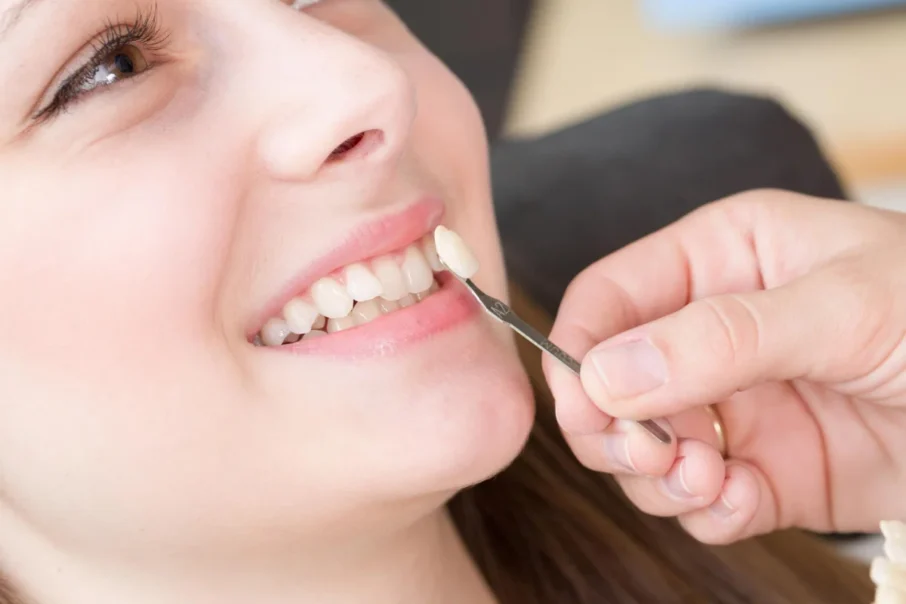
Have you noticed that your teeth are darker, more yellow or uneven in colour as compared to before? Teeth discoloration is very frequent and happens to any person. Although some staining is not harmful and is gradual in its development, different types of discoloration can indicate dental issues that require treatment. Knowing why teeth change color and what options for treatment are available will help you to get back a confident, healthy smile.
This guide will explain the causes of tooth discoloration and the various types of stains, the ways dentists can diagnose the problem, and when restorative procedures like dental crowns could be suggested.
What Are Discolored Teeth?
The term “tooth discoloration” refers to any changes in the natural shade of the tooth. Healthy teeth aren’t always white. They generally appear in light ivory tones or light yellow hues. If teeth appear to be darker, more yellow or brown, gray or spotted, it is considered to be discoloration.
There are three kinds of tooth discoloration:
1. Extrinsic Discoloration
Extrinsic staining affects the surface that covers the teeth, also known as enamel. They are stains that occur on the surface caused by external causes like drinks, food and tobacco. This kind of stain is generally simpler to clean.
2. Intrinsic Discoloration
The stains are formed within the tooth, particularly in the dentin layer that is beneath the enamel. They are usually deeper and are more resistant to treatment for whitening.
3. Age-Related Discoloration
It is a mixture of intrinsic and extrinsic staining. As enamel dries out with age and the dentin underneath turns yellow, it is more apparent.
Common Causes of Discolored Teeth
Teeth may change color for a variety of reasons. Certain causes are linked to everyday habits, whereas other causes are due to medical issues or injuries.
Food and Beverages
Dark-colored drinks and food items are among the top sources of staining. Tea, coffee coca, red wine and sports drinks have pigments that stick to the enamel. Sauces for tomatoes, berries and soy sauces can cause staining the surface over time.
Tobacco Use
Smoking cigarettes and chewing tobacco, exposes your teeth to nicotine and tar. These chemicals can cause brown or yellow staining that can be deeply embedded in enamel.
Poor Oral Hygiene
If plaque isn’t eliminated through regular flossing and brushing the tartar will form. Tartar draws stains and makes teeth appear darker. Lack of consistent oral hygiene can cause discoloration to develop more quickly.
Aging
As we age, enamel wears away naturally. Dentin becomes lighter and more yellow the appearance becomes more obvious. Over time, exposure to foods that stain and beverages can also cause age-related discoloration.
Medications
Certain medications can alter the color of teeth. Antibiotics, such as tetracycline or doxycycline, in particular when taken during childhood, could cause permanent intrinsic staining. Certain blood pressure medication, and chemotherapy drugs may also be linked with tooth discoloration.
Trauma or Injury
A tooth that has been injured can turn dark or gray if the pulp’s inner layer is damaged. This kind of discoloration typically is only a problem for one tooth, and could require restorative treatment.
Excess Fluoride
Exposure to too much fluoride in the early years of childhood can lead to fluorosis. This condition causes spots, white streaks, or brown marks in the enamel.
Genetic Conditions
Some inherited conditions affect enamel or dentin development. The result is that teeth appear discolored or translucent at an early age.
How Dentists Diagnose Tooth Discoloration?
If a patient goes to the dentist to treat discoloration the first thing to do is a thorough exam. The dentist determines if the staining is visible or if it is internal. A scan of the X-rays is a way to determine if there is decay, trauma as well as nerve damages.
Finding out the reason behind the discoloration is vital since treatment is contingent on whether the stain is internal or external.
Treatment Options for Discolored Teeth
Modern dentistry has a range of efficient solutions based on the severity and nature of the discoloration.
Professional Teeth Whitening
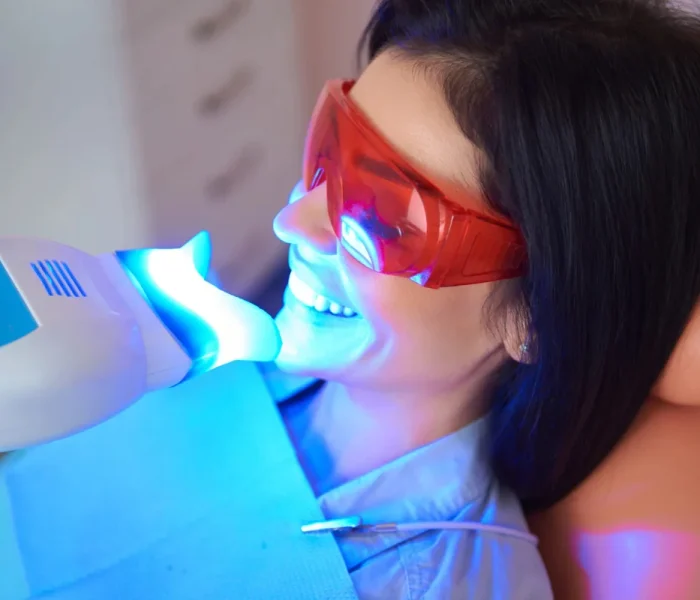
Professional whitening treatments are efficient for the majority of stains that are extrinsic. Dentists utilize peroxide-based bleaching solutions which dissolve the molecules that cause staining inside enamel. In-office whitening can produce results quickly usually within a single visit. Customized take-home trays offer gradual whitening that lasts for up to 2 weeks.
Whitening is most effective for yellowing that is caused by drinks, food or age. But, it won’t be effective in cases of deep internal stains or gray discoloration due to trauma.
Dental Bonding
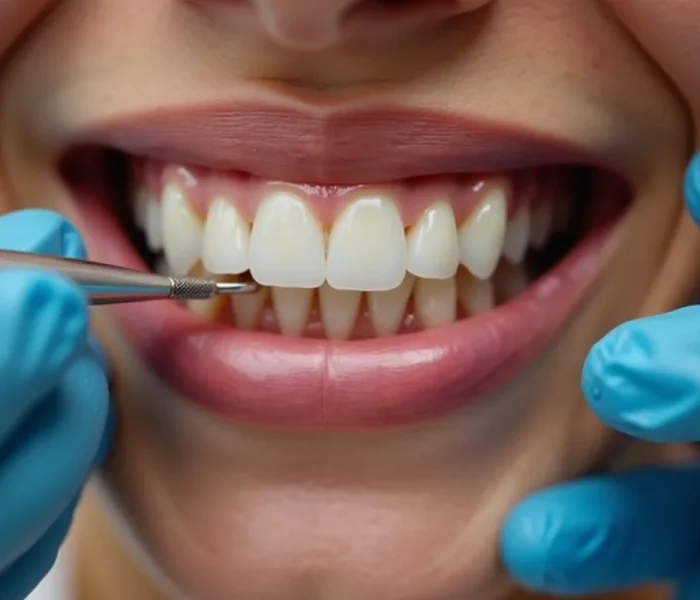
Bonding involves putting an enamel-colored resin onto the exterior of a tooth that has been stained. The resin is shaped before being hardened by a specific light. The process is effective for covering minor discolorations or areas that are not responsive to bleaching.
Porcelain Veneers
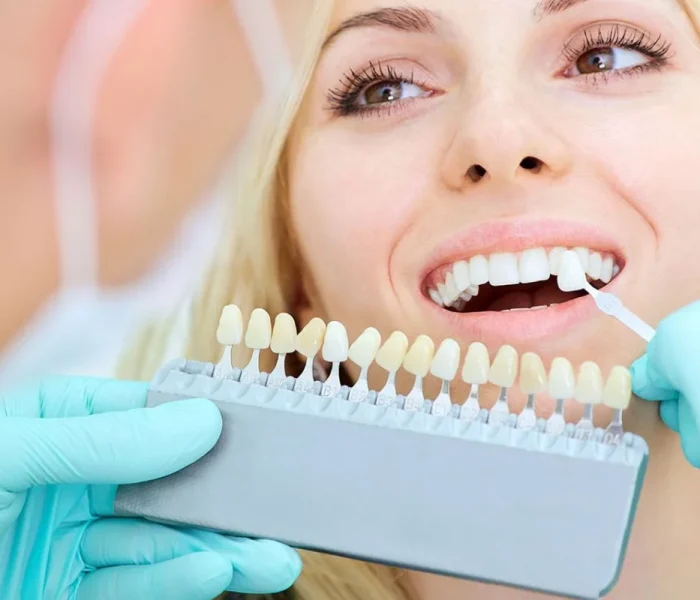
Veneers are thin shells of porcelain that are placed on the front of your teeth. They are typically employed when discoloration is extensive and are resistant to bleaching. Veneers offer a bright and uniform appearance, and are frequently used for cosmetic enhancements.
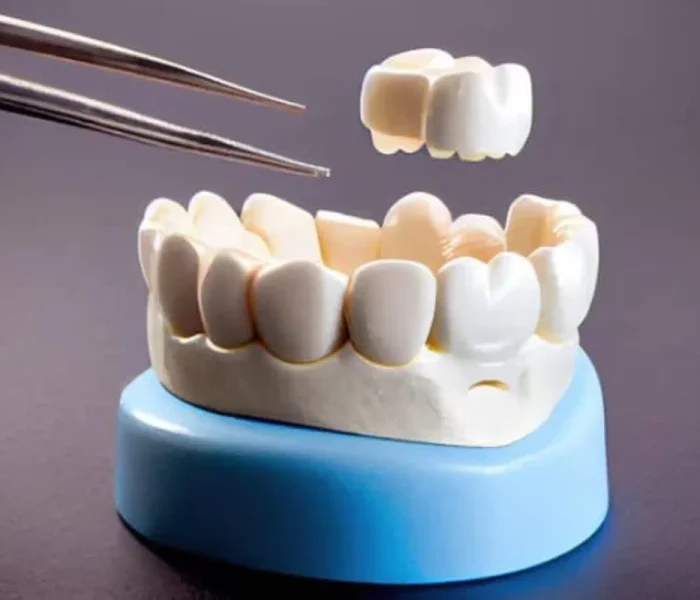
Dental Crowns
If a tooth is seriously damaged and discolored the possibility of a dental crown might be suggested. A crown covers the whole visible area of your tooth. It improves the strength as well as shape and color at the exact same time while preserving the shape and colour of the tooth.
Crowns are frequently used in situations like:
- Deep, intrinsic staining due to trauma
- A root canal procedure can cause discoloration. procedure
- Teeth that are weakened by decay or fillings that are large
- Broken or cracked teeth can also appear to be dark
Crowns are constructed from materials like ceramic or porcelain that are close to the natural tooth’s shade. They offer long-term durability, as well as improving the appearance.
What to Expect During Crown Treatment?
When a crown has been suggested then the dentist will first prepare teeth by taking out weak or damaged areas. The tooth is then shaped to ensure the crown will fit well. An impression or digital image is used to design an individual-fit crown.
A temporary crown can be put in place while the permanent crown is being made. When your final crown will be cemented into position and adjusted to guarantee a healthy bite.
Crowns do more than just improve the aesthetics but also protect your tooth from further harm.
Can Discolored Teeth Be Prevented?
Although the causes of discoloration are preventable, a few ways to maintain an even smile
- Cleanse twice a day with fluoride toothpaste.
- Floss regularly to remove plaque between your teeth.
- Limit tea, coffee, red wine, and dark sodas.
- Cleanse your mouth with water after you have eaten foods that stain your mouth.
- Do not smoke.
- Regularly schedule professional cleanings.
Professional cleaning services remove surface tartar and stains that a brush by itself is not enough to eliminate.
When to See a Dentist
Consult an experienced dentist in the following situations:
- A single tooth suddenly becomes grey or dark.
- The discoloration can be associated with discomfort or sensitivity.
- The whitening products available over the counter are not able to improve the colour.
- You are self-conscious about your smile.
The discoloration may be only cosmetic. However, in other instances it could indicate internal decay or damage that needs to be treated promptly.
Long-Term Outlook
The common problem with stained teeth is that they discolorate however they are manageable. Surface stains are often a good response to professional bleaching. More severe discoloration might require bonding, veneers or crowns based on the state of your tooth.
Modern restorative dentistry does not focus just on improving appearance, but also preserving health and function. If you take care of your teeth and make regular dental visits, the majority of treatments will last for a long time.
Final Thoughts
The discoloration of teeth can happen abruptly or gradually and may be affected by one tooth or several. The most important thing to do is to determine the root cause. While the changes in lifestyle and whitening may assist in some cases more serious or structural issues may require a restorative solution like dental crowns.
If you’re concerned about your teeth being discolored, an examination by a dentist is the ideal initial step. By taking the appropriate procedure, it’s possible to improve the appearance and health of your smile safely and efficiently.