
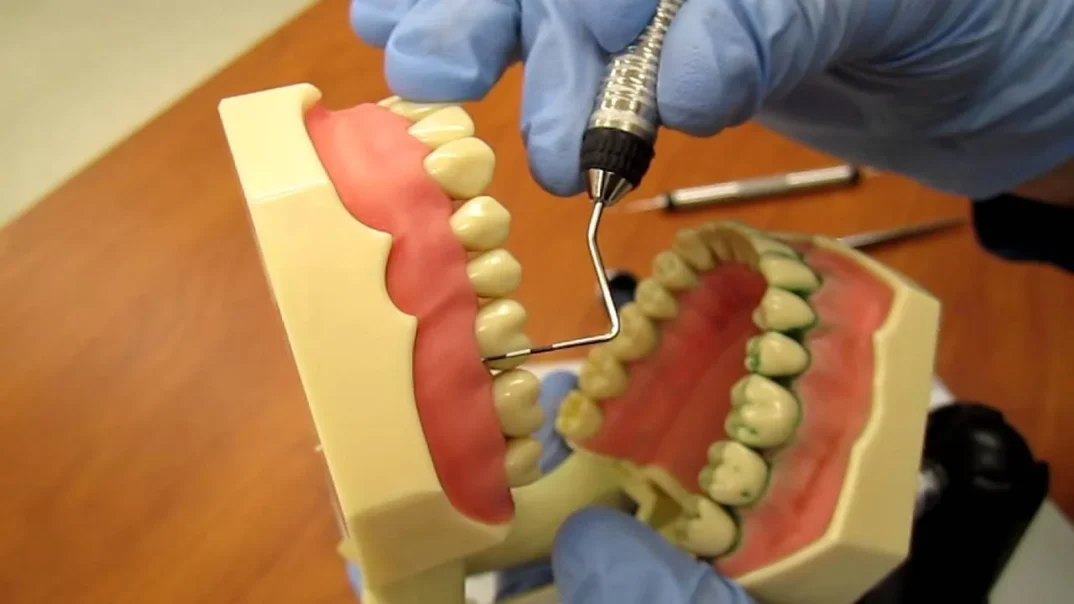
A broken tooth is an emergency dental situation that should not be overlooked. Teeth are sturdy, but they’re not impervious to damage. The effects of accidents, injuries, or everyday habits can put a lot of stress on teeth and cause them to break. A tooth that has been fractured can cause irritation, pain, and even permanent damage if it is not addressed promptly. Knowing how tooth fractures happen and recognizing warning indications, as well as knowing the right time to get urgent dental treatment, can significantly contribute to saving your tooth and avoiding complications.
What Is a Fractured Tooth?
A fractured tooth occurs when a tooth structure is damaged because of physical trauma or pressure. The fracture may only affect the outer enamel, or it could extend further into the pulp, dentin, and the roots. The degree of tooth fracture is different. Certain fractures are not serious and don’t cause pain immediately, whereas others expose the internal layers of the tooth. They can result in bleeding or sharp discomfort.
Since teeth are home to nerves and blood vessels in the pulp, deep fractures are more dangerous.
If you expose the pulp, bacteria can get inside the tooth and cause infections. Small cracks may worsen when left untreated, particularly during grinding or chewing.

Common Causes of a Fractured Tooth:
Tooth fractures can occur abruptly and unintentionally. Sports injuries, falls, and automobile accidents are the most typical causes, particularly when the jaw or face absorbs the impact.
The force of eating hard foods like ice, bone, or hard candy may cause teeth to break, especially in cases where the enamel has already been weakened.
Teeth with massive fillings, before treatment by a dentist, or that haven’t been treated for decay, are more susceptible to cracks. The process of grinding or clenching teeth causes stress to the enamel, which can cause cracks. Rapid temperature fluctuations, like eating something very hot and then eating cold food, can result in enamel stress in teeth that are weak.
Signs and Symptoms of a Fractured Tooth:
The signs of a broken tooth are based on the location and extent of the break. Some sufferers feel immediate pain after injury, whereas some may not experience discomfort until days or hours afterward.
Painful chewing is a typical symptom, particularly in the event of pressure being released. The sensitivity to cold or hot foods can be present and may last longer than normal.
In certain instances, the appearance of a crack or chipped area could be visible on the surface of the tooth. Tenderness or swelling in the gums surrounding the affected tooth could be a sign of more serious injury or infection.
If the fracture is large enough to reach the pulp, the pain can be constant and intense. A sudden shift in the way the teeth are joined, or teeth that feel loose, should be assessed promptly.
Why a Fractured Tooth Is a Dental Emergency?
A broken tooth is not only a cosmetic problem. When the protective enamel gets damaged, bacteria may enter the tooth and eventually reach the pulp.
This can cause abscess development, infection, and even damage to the bone tissue. If treatment is not completed, the tooth could be irreparably damaged.
Infections that result from a broken tooth may spread to other areas of the mouth, impacting general health.
The prompt treatment of dental emergencies can help reduce pain, avoid infections, and boost the chance of saving the tooth’s natural structure. Even fractures that don’t cause pain at first should be checked by a dentist to prevent any further complications.
What to Do Immediately After a Tooth Fracture?
If you think that your tooth has been broken, quick action could assist in protecting the tooth until you can reach an emergency dental facility. The gentle rinsing of the mouth with warm water aids in cleaning the area.
If a portion of the tooth is broken off, it must be kept and taken to the dentist if feasible. The over-the-counter pain reliever can be utilized to ease discomfort. Aspirin shouldn’t be placed directly on the gums or teeth.
These are not permanent measures and are not meant to substitute professional dental care.
Emergency Dental Evaluation and Diagnosis:
If you go to an emergency dental facility to treat a broken tooth, the dentist will conduct an extensive exam. This includes visual inspection of the tooth, inspecting the surrounding gums, and examining the alignment of your bite.
Dental imaging can be used to determine the depth at which the fracture is and whether the pulp or root is involved.
The accuracy of diagnosis is vital since treatment is contingent on the extent and severity of the fracture. Certain fractures appear to be small on the surface, but they are deeper below the gum line. An accurate assessment will ensure that the most efficient treatment plan is selected.

Treatment Options for a Fractured Tooth:
The treatment for a tooth that has been fractured is dependent on the severity of damage.
Minor fractures that affect only the enamel could be treated or restored using an amalgam filling. Dentin-exposing fractures with moderate severity usually require a crown in order to restore strength and shield teeth from injury.
If the fracture is too big, root canal therapy might be necessary to get rid of the infected tissue and ease discomfort.
After that, the tooth is generally protected by a crown. In extreme cases, where the tooth’s structure is severely damaged or the root has been broken, extraction might be the most secure choice. Alternative solutions are then discussed in order to restore appearance and function.
Recovery and Aftercare:
The recovery process for a tooth that has been fractured is contingent on the treatment offered. The careful follow-up of dental procedures helps ensure proper healing.
Avoid chewing on hard foods on the affected side until the tooth has been fully repaired. Maintaining a healthy oral hygiene routine is vital to avoid infections and to protect the teeth around it.
Regular follow-up visits enable the dentist to observe healing and make sure that the restoration is working properly. If you are able to get timely and the right treatment, many damaged teeth can be kept for a long time.
Preventing Tooth Fractures:
While not all dental accidents are preventable, taking certain precautions can lower the chance of sustaining tooth fractures. A mouthguard worn during sporting activities or other physical activities helps protect teeth from being struck.
Avoiding the habit of eating ice cubes or other hard objects can help preserve the strength of enamel. Controlling teeth grinding using appropriate dental appliances can help lessen the stress on the teeth.
Routine dental checkups play a key role in prevention. Early detection of decay cracks or weakening enamel allows for treatment prior to the possibility of fracture.
Final Thoughts:
A broken tooth can be a highly serious problem that requires immediate attention. It could be caused by trauma, chewing on hard food items, or the weakening of the tooth structure. Dental fractures could result in discomfort, infection, and permanent harm if not addressed.
Dental emergencies offer prompt treatment, relief from pain, and efficient treatment to safeguard your dental health. The speed of treatment will not only increase the likelihood of saving your tooth but can also help maintain your comfort, function, and confidence in your smile.