
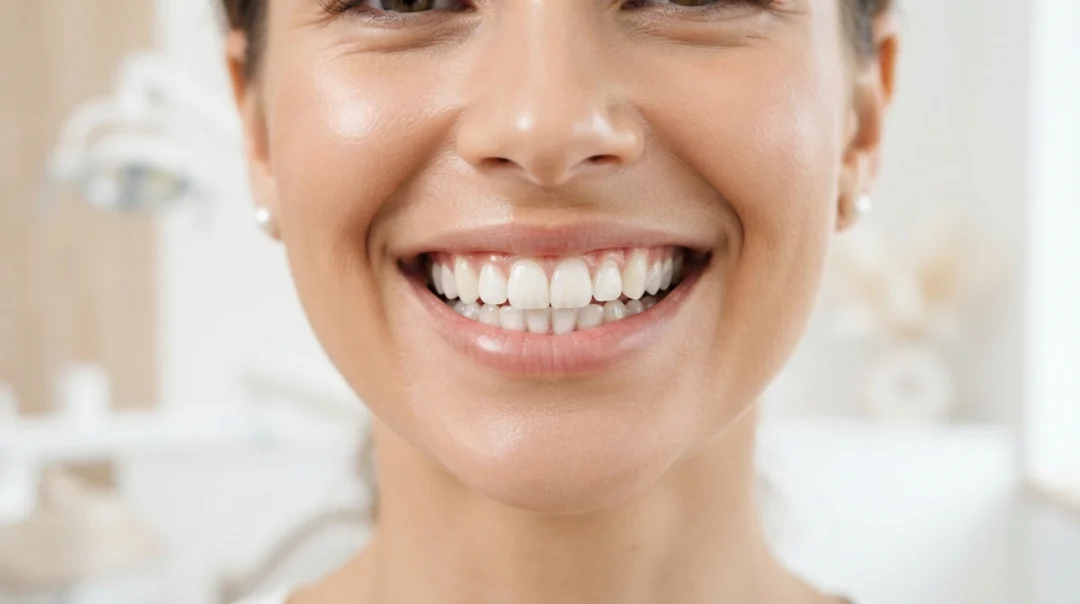
Teeth can become stained for many reasons. Coffee, tea, tobacco, certain foods, plaque and tartar can leave colour on the outside of your teeth. Other types of discolouration develop within the tooth and may not respond well to ordinary stain removal.
If you want to know how to get rid of stains on teeth, the first step is finding out what is causing them. Surface stains may improve with good oral hygiene, professional cleaning or suitable whitening products. Deeper discolouration may require professional whitening or another dental treatment.
The best treatment depends on the type, cause and severity of the discolouration.
First, Figure Out What Kind of Stain You Have
Tooth discolouration is generally classified as extrinsic, intrinsic or a combination of both. Knowing the difference helps determine whether you need stain removal, whitening or another type of dental treatment.
Surface (Extrinsic) Stains
Extrinsic stains develop on the outside of the tooth, mainly on the enamel. They are often linked to foods, drinks, tobacco and plaque buildup.
Common causes include:
- Coffee and tea
- Red wine and cola
- Dark-coloured foods
- Tobacco products
- Plaque and tartar
- Some medications or mouth rinses that can cause staining
Surface stains can often be reduced with regular brushing, whitening toothpaste or professional cleaning. Whitening toothpastes mainly work by removing surface stains and do not significantly change the natural colour of the tooth.
Deep (Intrinsic) Stains
Intrinsic discolouration develops within the tooth rather than simply sitting on its surface. It may be related to ageing, certain medications, fluorosis, trauma, changes during tooth development or other dental conditions.
Some intrinsic stains can respond to professional bleaching. However, the result depends on the cause and severity of the discolouration. Certain stains may respond unevenly or may require restorative treatment instead.
Because intrinsic stains cannot always be identified by appearance alone, a dental examination can help determine the most appropriate treatment.
Age-Related Discolouration
Teeth often become darker or more yellow with age. Part of this change comes from the natural appearance of dentin becoming more noticeable as enamel changes over time. Years of exposure to coffee, tea, tobacco and other staining substances can also contribute.
Professional cleaning can remove surface deposits, while bleaching may lighten the natural colour of suitable teeth. However, whitening cannot restore lost enamel or completely reverse every age-related colour change.
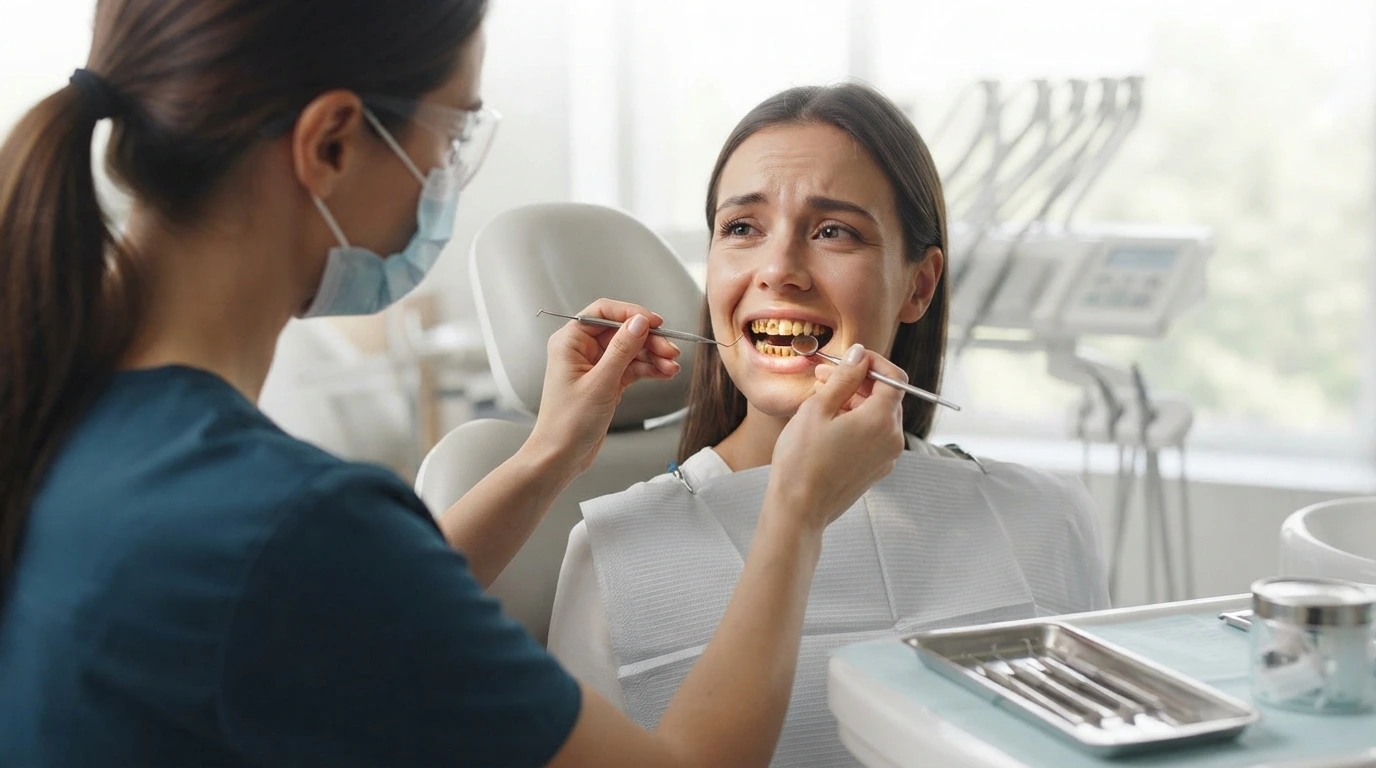
What Causes Teeth to Become Stained?
Understanding the cause of discolouration can make it easier to choose the right way to remove stains from teeth.
Coffee, Tea and Other Staining Foods and Drinks
Coffee, tea, red wine, cola and some strongly coloured foods contain pigments that can collect on tooth surfaces.
Frequent exposure can make surface stains more noticeable, especially when plaque is present. You do not necessarily need to avoid these foods and drinks completely. Drinking water afterwards and maintaining good oral hygiene can help reduce buildup.
Smoking and Tobacco Use
Tobacco can cause yellow or brown staining on teeth. The longer the exposure continues, the more noticeable the staining can become.
Professional cleaning may remove some tobacco-related surface deposits. However, stopping tobacco use is important for more than appearance because tobacco is also associated with significant oral health risks.
Plaque and Tartar Buildup
Plaque is a sticky film that forms on teeth throughout the day. If it is not removed regularly, it can harden into tartar, also called calculus.
Tartar may appear yellow or brown and commonly develops near the gumline or between teeth. Once it has hardened, brushing and flossing cannot remove it effectively. Professional cleaning is needed.
Ageing and Enamel Changes
Natural changes in the tooth can make teeth look darker or yellower with age. External staining may add to this effect.
Whitening can improve some age-related discolouration, but the amount of improvement varies from person to person.
Medications, Dental Trauma and Other Causes
Tooth colour can also change because of certain medications, dental trauma, developmental conditions and other dental problems.
A tooth that suddenly becomes darker, particularly after an injury, should not automatically be treated as a cosmetic stain. It may need a dental examination to determine what is happening inside the tooth.

Tooth Stain Colour Guide: What Your Stain May Mean
The colour of a mark can provide a clue, but it cannot confirm its cause. A dentist may need to examine the tooth and take X-rays when appropriate.
Yellow Stains
Yellow discolouration can come from surface staining, plaque and tartar or the natural colour of dentin showing through the enamel.
If the problem is surface staining, cleaning or a suitable whitening product may help. If the colour is caused by changes within the tooth, whitening may have a different result.
Brown Stains
Brown stains may be caused by coffee, tea, tobacco, plaque or tartar. Brown areas can also be associated with tooth decay.
If a brown mark does not improve with normal brushing, especially if it is located between teeth or near the gumline, have it checked rather than trying to scrape it away.
Black Stains
Black marks can have several causes, including external staining, tartar or tooth decay. A dark spot should not automatically be assumed to be a stain.
If it is new, changing, rough, painful or sensitive, arrange a dental examination.
Grey Stains
Grey discolouration can sometimes develop after trauma or because of changes inside a tooth. It can also have other causes.
A single tooth that becomes grey or noticeably darker than the surrounding teeth should be assessed before attempting whitening.
White Spots
White spots are not the same as ordinary surface stains. They can have different causes, including changes in enamel development, fluorosis and areas of mineral loss.
Whitening does not necessarily remove white spots. In some cases, whitening can make the difference between the spot and surrounding tooth structure more noticeable.
The appropriate treatment depends on the cause.
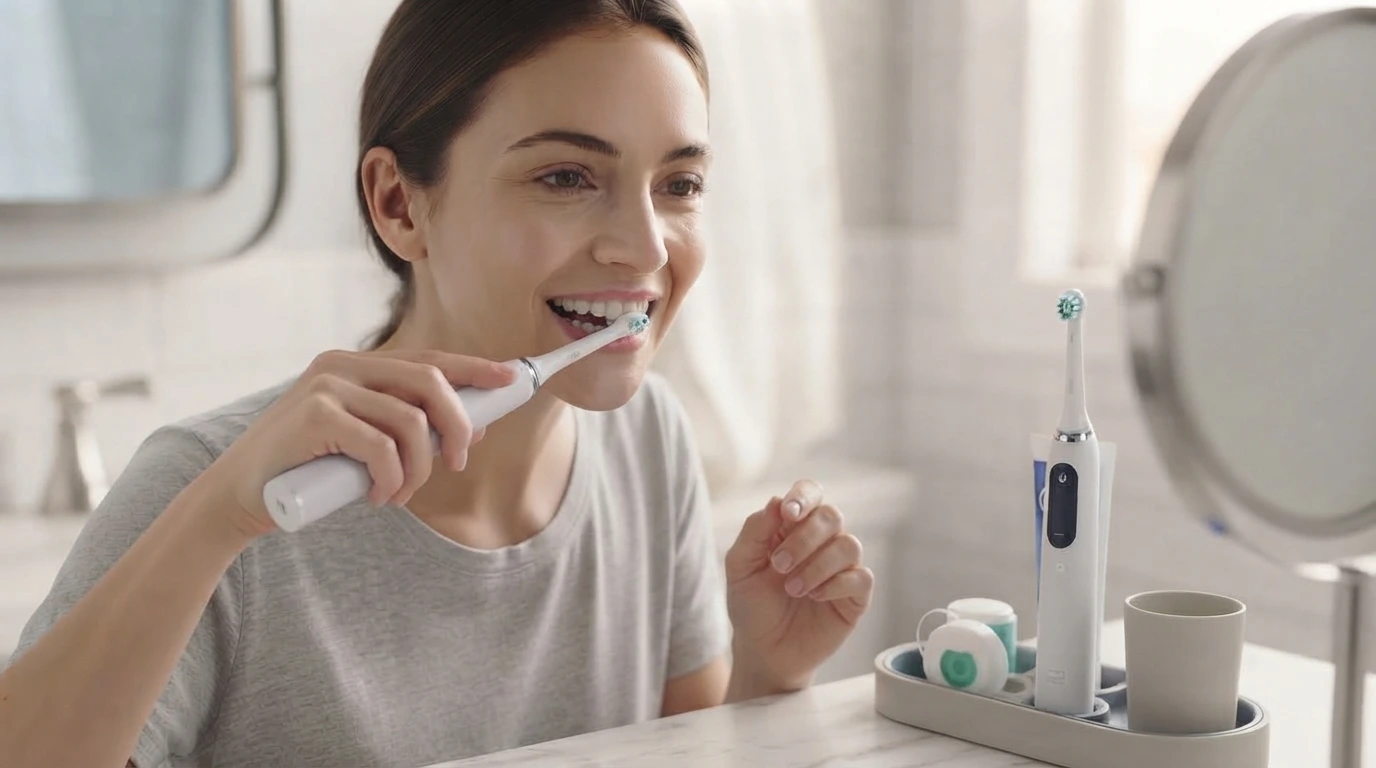
How to Remove Stains From Teeth at Home
If the discolouration is caused by surface staining, home care can help. However, home treatments cannot remove tartar, repair tooth decay or correct every type of intrinsic discolouration.
Whitening Toothpaste
Whitening toothpaste can help remove some surface stains through ingredients that clean and polish the tooth surface.
It is important to understand what whitening toothpaste can and cannot do. It can reduce certain external stains, but it does not usually change the natural internal colour of the tooth significantly.
For everyday use:
- Choose a fluoride toothpaste.
- Brush twice a day.
- Use a soft-bristled toothbrush.
- Brush gently rather than scrubbing aggressively.
- Follow the product instructions.
Better Brushing and Flossing
Good oral hygiene helps control plaque, which can contribute to surface staining.
For daily care:
- Brush twice a day with fluoride toothpaste.
- Clean around the gumline carefully.
- Clean between your teeth every day.
- Replace your toothbrush when the bristles become worn.
- Do not use excessive pressure when brushing.
Good brushing and flossing will not remove hardened tartar. If tartar has built up, professional cleaning is needed.
Over-the-Counter Whitening Strips, Gels and Pens
Whitening strips, gels and pens may contain peroxide-based ingredients that can lighten natural teeth. The results depend on the product, concentration, application method and the type of discolouration.
Possible side effects include temporary tooth sensitivity and gum irritation. Follow the manufacturer’s instructions and do not use more product or leave it on longer than recommended.
Talk to a dentist before whitening if you have untreated decay, gum problems, significant sensitivity, extensive dental restorations or very dark discolouration.
Daily Habits That Help Prevent New Stains
You can reduce new surface staining by:
- Drinking water after coffee, tea and other staining drinks.
- Maintaining regular brushing and interdental cleaning.
- Limiting tobacco use.
- Keeping regular dental cleaning appointments.
- Following your dentist's advice if you develop frequent plaque or tartar buildup.
These habits cannot prevent every type of tooth discolouration, but they can help control common sources of surface staining.

DIY Stain Remedies: What Works & What to Avoid
There are many home remedies promoted online as ways to remove teeth stains. Not all of them are safe for your teeth.
Baking Soda
Baking soda is used in some formulated toothpastes and can help remove surface stains. That does not mean household baking soda should be used as a replacement for toothpaste.
If you want the benefits of baking soda, a properly formulated toothpaste is a better option than repeatedly scrubbing your teeth with baking soda.
Baking Soda and Hydrogen Peroxide
Hydrogen peroxide is used in properly formulated whitening products. However, mixing household hydrogen peroxide with baking soda does not provide the same controlled treatment.
Concentration, contact time and application all matter. Improper use can cause tooth sensitivity or irritation to the gums and other soft tissues.
Use whitening products according to their directions rather than making your own peroxide mixture.
Activated Charcoal
Activated charcoal products are widely marketed for tooth whitening. However, charcoal should not be treated as a proven solution for every type of tooth discolouration.
Some charcoal products are abrasive, and they do not address intrinsic changes in tooth colour. If you want to reduce surface stains, use an established oral-care product rather than relying on abrasive powders.
Lemon, Strawberries and Apple Cider Vinegar
Do not use lemon juice, vinegar or other acidic substances to whiten your teeth.
Acid can soften and erode enamel. Enamel does not grow back once it has been lost, so using acidic household ingredients to remove stains can create a bigger dental problem.
Oil Pulling
Oil pulling involves swishing oil around the mouth. It should not be considered a proven method for removing established tooth stains or changing the natural colour of teeth.
It also does not replace brushing with fluoride toothpaste, cleaning between the teeth or professional dental care.

How Dentists Remove Stains When Home Care Isn't Enough
The best treatment depends on whether the problem is surface staining, natural tooth colour, internal discolouration, tartar or another dental condition.
Professional Cleaning and Polishing
Professional cleaning can remove plaque, tartar and many external stains that cannot be removed with normal brushing.
This is particularly useful when discolouration is caused by hardened deposits around the gumline or between teeth.
Cleaning is different from whitening. Cleaning removes deposits and surface stains, while bleaching is designed to lighten the colour of natural teeth.
Professional Teeth Whitening (Philips ZOOM® and Custom Trays)
Professional whitening uses peroxide-based products to lighten the colour of natural teeth.
At Olive Tree Dental in London, Ontario, whitening options may include in-office Philips ZOOM® whitening and custom take-home whitening trays.
Before whitening, the dentist should assess the cause of the discolouration and check for conditions such as decay or other problems that may need treatment first.
Whitening a Single Dark Tooth
A single dark tooth needs more attention than general yellowing across the smile.
Possible causes include trauma, previous root canal treatment, decay, changes inside the tooth and other dental conditions. A clinical examination, and sometimes dental X-rays, may be needed to determine the cause.
If the tooth is suitable for whitening, the dentist can explain whether external or internal bleaching is appropriate. In other cases, treatment of the underlying dental problem or a restorative option may be needed.
Bonding and Veneers for Stains Whitening Can't Fix
Some discolouration does not respond evenly to whitening.
Dental bonding uses tooth-coloured composite material to improve the appearance of selected areas. Veneers are thin coverings placed over the front surface of teeth to change their appearance.
These treatments are not simply alternative whitening products. They involve dental treatment and should be considered after an assessment of the tooth’s condition, colour and overall appearance.
Treatment for White Spots
White spots need to be assessed based on their cause.
Depending on the condition, a dentist may recommend monitoring, fluoride or other preventive measures. Some cases may be treated with procedures such as microabrasion or resin infiltration.
Whitening alone is not a treatment for every type of white spot and may sometimes make the contrast more noticeable.
How to Remove Brown Stains Between Teeth
Brown stains between teeth are common, but they should not automatically be considered harmless surface stains.
Common Causes of Brown Stains Between Teeth
Possible causes include:
- Coffee and tea
- Tobacco
- Plaque buildup
- Tartar
- Certain mouth rinses
- Tooth decay
- Other changes within the tooth
Some mouth rinses, including certain chlorhexidine-containing products, can contribute to brown staining.
When Brushing and Flossing May Help
If the area contains plaque or loose surface deposits, regular brushing and cleaning between the teeth may help.
Clean between your teeth every day and brush gently along the gumline.
Do not use needles, pins or other sharp objects to scrape stains from between your teeth.
When Professional Cleaning May Be Needed
If the brown material is hardened tartar, brushing and flossing will not remove it.
A dental professional can remove the buildup during a professional cleaning. Surface staining may improve at the same time.
When Brown Stains Could Indicate Tooth Decay
A brown mark can sometimes be associated with tooth decay. Colour alone is not enough to determine whether decay is present.
Have the area examined if the mark is new, changing, rough, associated with sensitivity or does not improve after normal cleaning.
When a Stain Isn't Just a Stain
Not every dark or discoloured area should be treated with whitening.
Discolouration With Pain or Sensitivity
Discolouration accompanied by pain or sensitivity may need an examination to check for decay, cracks, trauma or another dental problem.
A Single Tooth Becoming Darker
A tooth that becomes noticeably darker than the surrounding teeth may have an internal cause. Trauma and changes within the tooth are among the possible causes.
An examination is important before deciding on cosmetic treatment.
New or Changing Spots
A new mark or a spot that changes in size, shape or colour should be assessed by a dentist.
Do not assume that every new dark spot is simply a stain.
Brown or Black Marks That Don't Come Off With Brushing
Persistent brown or black marks may be caused by tartar, decay or another type of discolouration.
Avoid scraping the area or using strong homemade whitening mixtures. A dental examination is the safer way to identify the cause.
How to Keep Stains From Coming Back
Once surface stains have been removed or teeth have been whitened, daily habits can help maintain the result.
- Brush twice a day with fluoride toothpaste.
- Clean between your teeth every day.
- Drink water after coffee, tea and other staining drinks.
- Limit tobacco use.
- Maintain regular dental examinations and cleanings.
- Follow your dentist's instructions after professional whitening.
The effect of tooth bleaching is not permanent. Staining foods, drinks and tobacco can affect how long the result lasts.
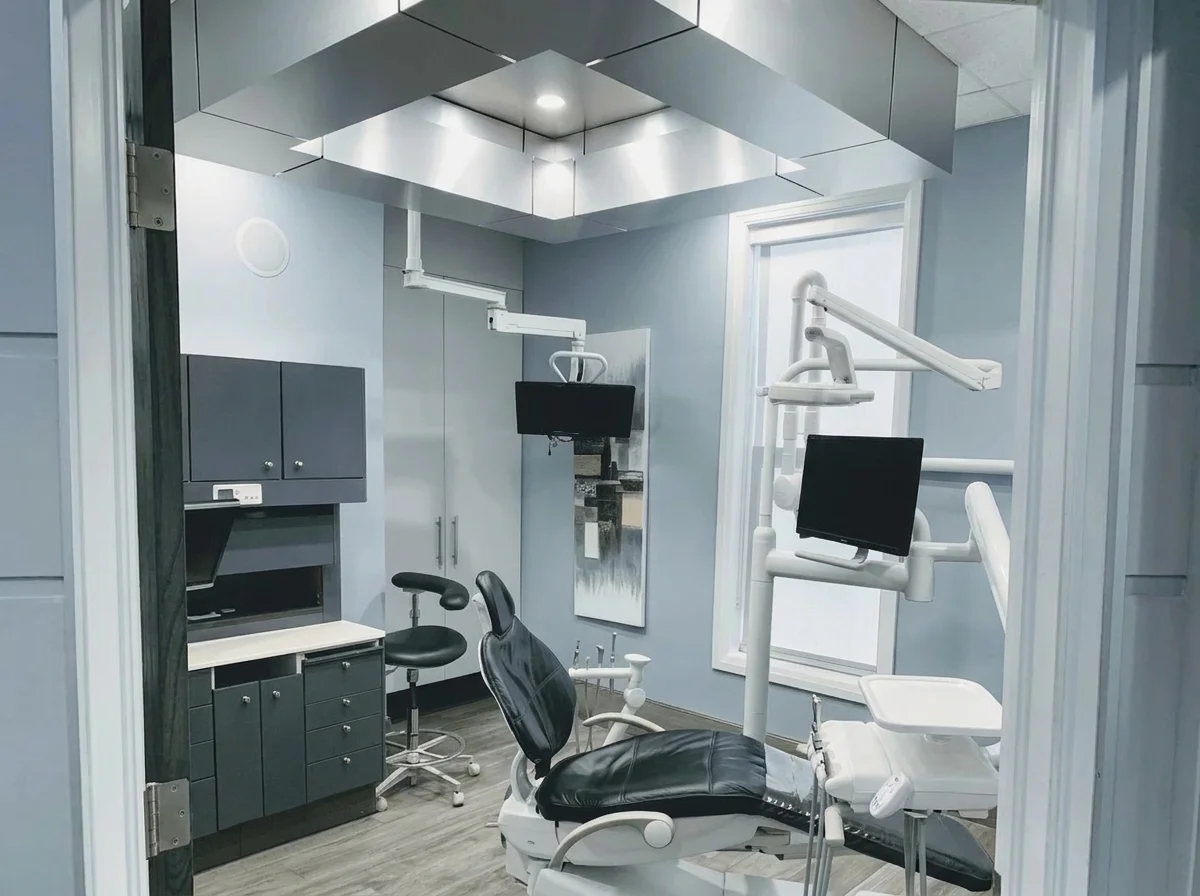
What Does Stain Removal Cost in London, Ontario?
The cost depends on what is causing the discolouration and which treatment is required.
Factors That Affect the Cost
The cost may depend on:
- Whether you need a routine cleaning.
- The amount of tartar or surface staining present.
- Whether professional whitening is appropriate.
- Whether you need custom take-home whitening trays.
- Whether a single dark tooth requires additional examination or treatment.
- Whether bonding, veneers or another restorative treatment is needed.
Professional Cleaning vs. Teeth Whitening
These treatments solve different problems.
Professional cleaning removes plaque, tartar and surface deposits. Teeth whitening is designed to lighten the colour of suitable natural teeth.
If your teeth appear darker because of tartar or surface staining, cleaning may be the appropriate first step. If the teeth are clean but their natural colour is darker than you would like, whitening may be considered after an assessment.
Cosmetic Treatments for Stains That Don't Respond to Whitening
If discolouration does not respond adequately to whitening, your dentist may discuss options such as bonding or veneers.
The appropriate choice depends on the condition of the tooth, the cause of the discolouration and the result you want to achieve.
Insurance and CDCP Considerations
Coverage depends on the dental plan and the treatment being provided.
Cosmetic teeth whitening is generally not considered a covered dental service under the Canadian Dental Care Plan. Other dental services may have coverage when they meet CDCP requirements.
Because coverage rules and individual benefits can vary, confirm your eligibility and expected out-of-pocket cost with your dental provider before treatment.
Get Your Stains Assessed at Olive Tree Dental in London, Ontario
If you are trying to figure out how to get rid of teeth stains, the right treatment starts with identifying the cause.
Olive Tree Dental in London, Ontario, provides professional dental care and teeth whitening options, including in-office Philips ZOOM® whitening and custom take-home whitening trays.
A dental assessment can help determine whether your discolouration is caused by surface staining, tartar, natural tooth colour or another dental condition. Your dentist can then explain which treatment is appropriate and what results you can reasonably expect.
Book an appointment with Olive Tree Dental to have persistent or unexplained tooth discolouration assessed.
Frequently Asked Questions
A professional cleaning can remove many coffee stains that are sitting on the tooth surface. It cannot bleach the natural colour of the tooth. If the teeth remain darker after cleaning, whitening may be considered when appropriate.
It depends on the type of stain. Surface deposits may improve during a professional cleaning, while whitening treatments usually require repeated applications or a treatment session depending on the method used.
The time and amount of whitening also depend on the original cause and severity of the discolouration.
The time and amount of whitening also depend on the original cause and severity of the discolouration.
No. Whitening can lighten many types of natural tooth discolouration, but not every stain responds in the same way.
Whitening does not remove tartar, treat tooth decay or change the colour of crowns, veneers and fillings. Some irregular or deep discolouration may require another treatment.
Whitening does not remove tartar, treat tooth decay or change the colour of crowns, veneers and fillings. Some irregular or deep discolouration may require another treatment.
Frequent exposure to coffee, tea, tobacco and other staining substances can contribute to surface staining. Plaque and tartar buildup can also make discolouration more noticeable.
If staining continues despite good oral hygiene, a dentist can check for tartar, dental conditions, medication-related discolouration or other causes.
If staining continues despite good oral hygiene, a dentist can check for tartar, dental conditions, medication-related discolouration or other causes.
Baking soda is included in some toothpaste formulas and can help with surface stain removal. However, repeatedly scrubbing teeth with household baking soda is not the same as using a properly formulated toothpaste.
A fluoride toothpaste designed for oral use is a better choice for everyday brushing.
A fluoride toothpaste designed for oral use is a better choice for everyday brushing.
Whitening does not change the colour of crowns, veneers or fillings in the same way it changes natural teeth.
Surface deposits on restorations may sometimes be cleaned, but a restoration that is permanently discoloured may need professional assessment. If natural teeth are whitened, existing restorations may look darker by comparison.
Surface deposits on restorations may sometimes be cleaned, but a restoration that is permanently discoloured may need professional assessment. If natural teeth are whitened, existing restorations may look darker by comparison.
Coverage depends on the treatment and your individual benefits. Cosmetic teeth whitening is generally not covered by CDCP, while some necessary dental services may qualify under the programme’s rules.
Ask your dental provider to confirm coverage before treatment.
Ask your dental provider to confirm coverage before treatment.
Not necessarily. Brown marks can be caused by food and drink pigments, plaque, tartar or tooth decay.
Because appearance alone cannot confirm the cause, persistent brown marks should be checked by a dentist rather than scraped or treated with a homemade whitening mixture.
Because appearance alone cannot confirm the cause, persistent brown marks should be checked by a dentist rather than scraped or treated with a homemade whitening mixture.